

How to Choose a Knife Sharpener That Fits Everyday Use and Wholesale Needs


Short answer
Learn how to choose a knife sharpener for kitchen, pocket, and outdoor blades. Compare sharpening tools, avoid common mistakes, and source wholesale options wis
In this article
- 01 What a knife sharpener should do well
- 02 Types of knife sharpeners and how they differ
- 03 Manual pull-through sharpeners
- 04 Sharpening stones and whetstones
- 05 Electric sharpeners
- 06 Sharpening rods and honing tools
- 07 How to match the sharpener to the blade
- 08 Buyer criteria that make a real difference
- 09 Common mistakes to avoid
- 10 What retail buyers and distributors should look for in wholesale sourcing
- 11 Practical examples of the right sharpener for the job
- 12 Safety and responsible use
- 13 FAQ about knife sharpeners
- 14 How often should a knife be sharpened?
- 15 Is honing the same as sharpening?
- 16 Which knife sharpener is easiest for beginners?
- 17 Can one sharpener work for all knives?
- 18 What should wholesale buyers ask before placing an order?
- 19 Final thoughts
A good knife sharpener restores a dull edge quickly, safely, and consistently, but the right choice depends on the knives being sharpened, the skill level of the user, and whether you are buying for home use or for resale. For most shoppers, the best sharpener is the one that matches the blade type and gives repeatable results without removing too much metal.
What a knife sharpener should do well
A quality sharpener does more than make a blade feel “sharp” again. It should help maintain the edge angle, remove only the amount of steel needed, and leave the knife usable without excessive effort. That matters whether you are a home cook keeping kitchen knives in shape or a retailer choosing products customers will actually use.
When people shop for sharpening tools, they often focus only on speed. Speed helps, but consistency matters more. A sharpener that works well on one knife and damages another is not a good value. The best option is usually the one that gives controlled sharpening, clear instructions, and dependable results across common blade styles.
Types of knife sharpeners and how they differ
There is no single sharpener that fits every blade. Understanding the main types makes it easier to choose the right product for your shelf, your store, or your own toolkit.
Manual pull-through sharpeners
These are popular because they are simple and fast. The user pulls the blade through preset slots, often with coarse and fine stages. They are easy for beginners and useful for basic maintenance, but they can be less precise than guided systems. They are best for customers who want convenience and do not need full control over the edge angle.
Sharpening stones and whetstones
Whetstones offer the most control and are preferred by many experienced users. They can produce excellent edges, but they require practice, patience, and proper technique. For wholesale buyers, stones can be a strong addition if your customer base includes cooks, hobbyists, or tool users who value precision over simplicity.
Electric sharpeners
Electric models are attractive because they save time and reduce effort. They are often used for busy kitchens or by customers who sharpen multiple knives at once. The tradeoff is that aggressive machines can remove more material than necessary if used too often. Buyers should look for models with clear stage descriptions, stable construction, and safety features.
Sharpening rods and honing tools
These are not always true sharpeners in the strict sense, but they are useful for edge maintenance. They help realign a working edge between sharpenings. Many shoppers confuse honing with sharpening, so product descriptions should explain the difference clearly. That kind of clarity helps reduce returns and customer confusion.
How to match the sharpener to the blade
The best knife sharpener depends on the blade material, shape, and use case. A small pocket knife, a kitchen utility knife, and an outdoor blade do not always need the same treatment.
- Kitchen knives: Look for controlled sharpening and a fine finishing option.
- Pocket knives: Compact sharpeners or guided systems are often easier for everyday carry users.
- Outdoor and utility blades: Durability and portability matter, especially for field use.
- Serrated edges: Require specialized care and are not suitable for every standard sharpener.
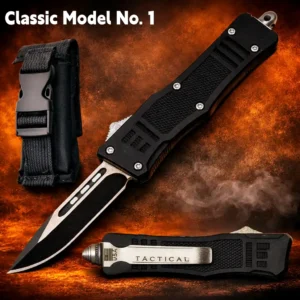
For retailers and distributors, this is where assortment planning matters. A store that serves cooks may need more countertop and stone options, while a shop with outdoor customers may do better with compact, portable tools that fit travel kits and maintenance packs. If your inventory also includes knives, you can pair sharpening tools with related products from the OTF and auto knife wholesale category to create practical bundles for resellers.
Buyer criteria that make a real difference
When comparing sharpeners, look beyond packaging and price. These details often separate a dependable product from one that disappoints customers.
- Ease of use: Clear instructions, stable grip, and straightforward steps reduce mistakes.
- Angle guidance: Fixed or guided angles help users keep edges consistent.
- Build quality: Solid housings, non-slip bases, and durable abrasives improve long-term value.
- Compatibility: Make sure the sharpener fits common blade styles your customers own.
- Maintenance: Replaceable parts and easy cleaning can extend product life.
- Safety features: Finger guards, stable feet, and controlled contact points are important.
Wholesale buyers should also consider packaging and shelf appeal. A product that is easy to understand at a glance often sells better than one that requires long explanation. Retail staff appreciate sharpeners that can be demonstrated quickly, and online resellers benefit from clear feature descriptions and strong visuals.
Common mistakes to avoid
Many sharpening problems come from misuse rather than the tool itself. Avoiding a few common errors can save time and protect the knife.
- Using the wrong tool for the blade: Not every sharpener suits every knife.
- Pressing too hard: Excess pressure can damage the edge and shorten blade life.
- Over-sharpening: Too much sharpening removes unnecessary metal.
- Skipping cleaning: Metal dust and residue can affect performance.
- Ignoring the manufacturer’s instructions: Different systems work differently, even if they look similar.
Another mistake is expecting a sharpener to fix a badly damaged edge instantly. Some blades need careful restoration, and some are better handled by a professional service. For general household use, the goal is usually maintenance, not major repair.
What retail buyers and distributors should look for in wholesale sourcing
If you are buying sharpeners for resale, consistency is just as important as performance. Customers expect a product that works the same way from unit to unit, and that is especially true for tools meant to solve a practical problem.
Wholesale buyers should evaluate:
- Uniform quality: Are the materials, finish, and function consistent across the batch?
- Demand profile: Is the sharpener suited to your audience’s daily needs?
- Margin potential: Does the product leave room for healthy retail pricing?
- Support materials: Are product specs, photos, and usage notes available?
- Shipping efficiency: Can the items be packed and stored without damage?
For buyers who already source knives, adding sharpeners can improve average order value and give customers a practical reason to return. If you are building a broader knife assortment, you can also explore the wholesale inquiry form to discuss order quantities, product mix, and supply options that fit your business.
Practical examples of the right sharpener for the job
A home cook who uses a chef’s knife a few times a week may want a simple guided sharpener or a well-made stone with a fine grit finish. A retailer serving outdoor customers may find that compact sharpeners with easy carry appeal better than bulky countertop units. A distributor supplying multi-location stores may prefer a mix of entry-level and higher-end options so different shoppers can find a fit.
In each case, the best choice balances skill level, frequency of use, and expected blade types. That is why a good assortment often includes more than one sharpening style. People shop differently, and a single product rarely covers every need.
Safety and responsible use
Knife sharpening should always be approached with care. Keep hands clear of the edge, work on a stable surface, and store sharpeners where children cannot access them. If a knife is damaged, bent, or unsafe to handle, do not force it through a sharpening process. General safety practices and local rules should always be followed, especially when products are sold across different regions.
For buyers, clear safety language is not just helpful; it builds trust. Customers are more confident when they understand how to use a product responsibly and what it is designed to do.
FAQ about knife sharpeners
How often should a knife be sharpened?
It depends on how often the knife is used and what it cuts. Light home use may need sharpening only occasionally, while busy kitchens or frequent outdoor use may need more regular maintenance.
Is honing the same as sharpening?
No. Honing helps realign an edge, while sharpening removes material to create a new cutting edge. Both can be useful, but they serve different purposes.
Which knife sharpener is easiest for beginners?
Many beginners prefer a manual pull-through sharpener or a guided system because the angle is easier to control. The right choice depends on the knife type and the user’s comfort level.
Can one sharpener work for all knives?
Not always. Some sharpeners work on many common blades, but serrated knives, specialty steels, and certain edge shapes may need different care.
What should wholesale buyers ask before placing an order?
Ask about product consistency, material quality, packaging, minimum order quantities, and whether the supplier can support repeat orders. It also helps to confirm which knife types the sharpener is best suited for.
Final thoughts
The right knife sharpener should make edge maintenance easier, not more complicated. Whether you are shopping for a home kitchen, stocking a retail shelf, or sourcing products for resale, focus on compatibility, safety, and consistent performance. A well-chosen sharpener adds real value because it helps customers maintain the knives they already own and use them with confidence.