




What’s the Best EDC Knife? A Practical Buyer’s Guide

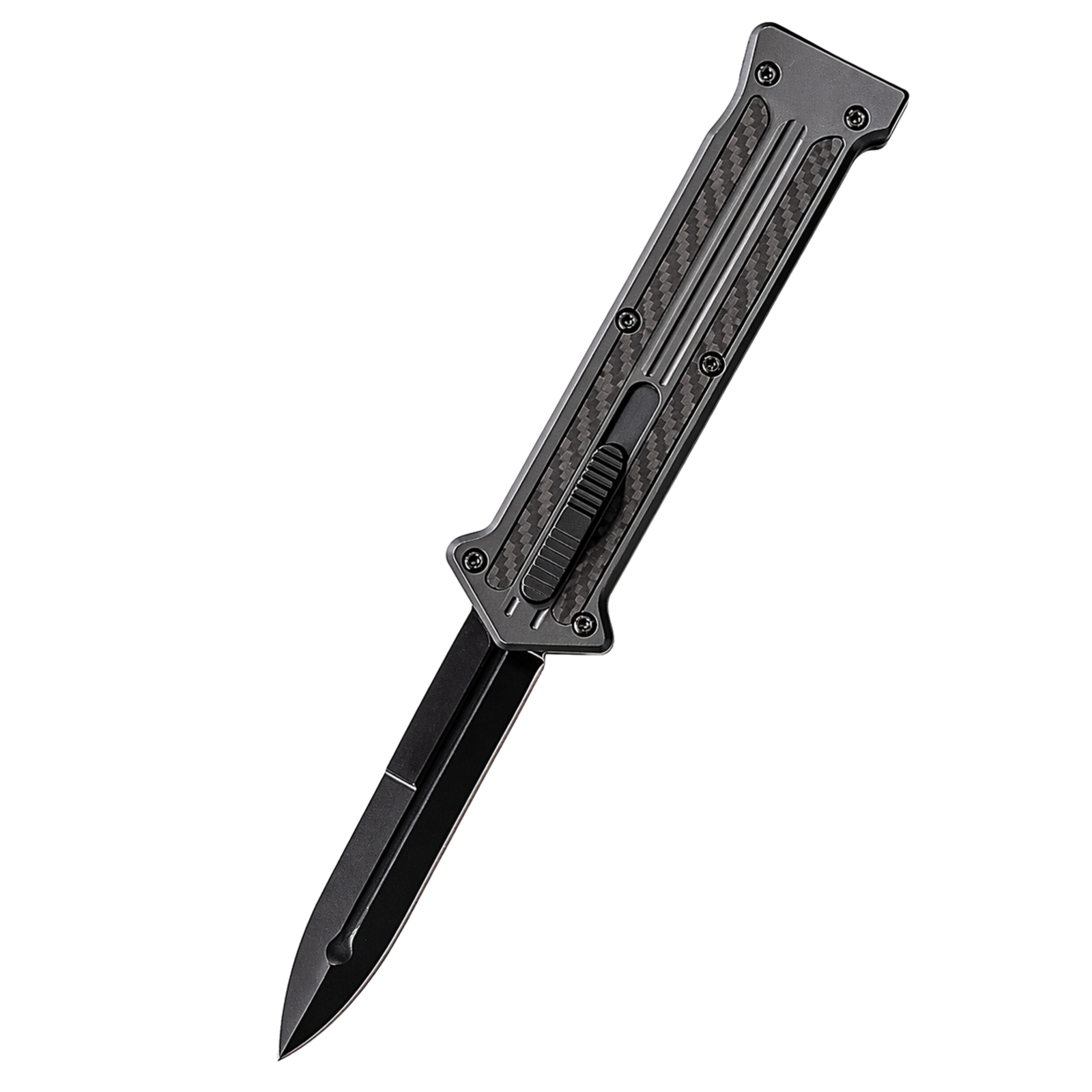
The best EDC knife is the one that feels dependable in daily use, carries comfortably, and fits your local laws and personal needs. For most people, that means a compact folding knife with a secure lock, a blade size that is easy to carry, and steel that balances edge retention with easy maintenance. If you are buying for yourself, a store shelf, or a wholesale catalog, the right choice usually comes down to a few practical factors: size, blade shape, opening style, steel, handle material, and price point.
What makes an EDC knife actually good?
“Everyday carry” sounds simple, but the best knife for daily use is not always the most expensive or aggressive-looking one. A good EDC knife should be easy to carry, quick to access, and comfortable for repeated tasks like opening packaging, cutting cord, trimming materials, or handling small utility jobs. It should also feel secure in hand and close safely.
For many buyers, the ideal EDC knife is a folding knife because it stores safely in a pocket and is convenient for everyday tasks. If you are building a selection for customers or a retail display, a balanced folding knife assortment helps you cover casual users, outdoor buyers, and people who want a clean, low-profile tool. You can browse a wide range of options in the folding knife wholesale category.
The best EDC knife depends on how it will be used
There is no single knife that is perfect for every person. A warehouse worker, a camper, a delivery driver, and a collector may all want something different. The best EDC knife for one buyer may be too large, too heavy, or too expensive for another.
For light daily utility
If the knife will mostly open boxes, cut tape, and handle quick tasks, a smaller folding knife with a plain edge is often the best choice. Buyers usually prefer something that disappears in the pocket and does not feel bulky. A simple, reliable lock and a blade around a compact everyday size often make the most sense.
For tougher use
If the knife will see more demanding work, look for stronger handle construction, a more robust lock, and a blade steel that holds an edge well. Many users in this category want a knife that can handle repeated cutting without constant sharpening. A textured handle and a secure grip matter more here than flashy styling.
For retail and wholesale buyers
Stores and resellers should think beyond one “best” knife and focus on the best mix. Entry-level buyers often want affordability and simple operation, while enthusiasts may look for upgraded materials and smoother action. A well-rounded wholesale lineup gives you options across price points, so customers can choose based on use case rather than guessing from appearance alone.
Key features to compare before you buy
When shoppers ask what the best EDC knife is, these are the features that usually decide the answer.
Blade size and shape
A compact blade is easier to carry and often more practical for everyday tasks. Drop-point blades are popular because they are versatile and predictable, while tanto-style blades appeal to buyers who want a more angular look and a different cutting profile. A plain edge is usually the easiest for general utility and maintenance. Serrations can help with certain materials, but they are not always the best choice for all-around use.
Locking mechanism
A reliable lock is one of the most important parts of a folding knife. Buyers should look for a mechanism that feels solid and closes smoothly. The best EDC knife should not just open easily; it should also close safely and confidently. For retail and B2B buyers, this is an area where quality matters because customers notice it immediately when they handle the knife.
Opening method
Thumb studs, flippers, and other assisted-feeling opening styles are popular because they make the knife convenient to use. The best option depends on the buyer’s preference and local rules. Some users want fast one-handed access, while others prefer a more traditional feel. The key is smooth operation without unnecessary complexity.
Steel and edge retention
Knife steel affects how long the blade stays sharp and how much maintenance it needs. Some steels are easier to sharpen, while others hold an edge longer. For everyday users, the best steel is usually the one that fits their routine. If someone uses a knife often but does not want frequent sharpening, edge retention matters. If they prefer easy upkeep, a more straightforward steel may be better.
Handle material and grip
Handle material changes both comfort and durability. G10, aluminum, stainless steel, and polymer handles each offer different advantages. Textured materials can improve grip, especially in wet or dusty conditions. A knife that looks good but feels slippery is rarely the best EDC choice for real-world use.
Weight and pocket carry
Many people eventually choose their favorite knife based on how it carries rather than how it looks. A lighter knife is easier to forget in the pocket, which is exactly what many EDC users want. Heavier knives can feel more substantial but may be less comfortable for all-day carry. The best EDC knife should fit the user’s routine without becoming a burden.
Common mistakes buyers make
People often overbuy on features they do not need. A large blade, premium steel, or tactical styling can be appealing, but those details do not automatically make a knife better for everyday use.
- Choosing size over comfort: A larger knife may sound better, but it can be harder to carry and less practical for daily tasks.
- Ignoring the lock: A smooth knife is not enough if the lock feels weak or awkward.
- Buying for looks only: A dramatic design may impress at first, but comfort and usability matter more over time.
- Overlooking local rules: Knife laws and carry restrictions vary by location. Buyers should verify local rules before carrying or reselling.
- Skipping maintenance: Even a great knife needs cleaning, occasional sharpening, and proper storage.
What retailers and wholesale buyers should stock
If you are sourcing for a shop, online store, or distribution channel, the best EDC knife assortment usually includes a few clear categories. This helps match different budgets and customer preferences without overcomplicating inventory.
- Budget-friendly folders: Good for first-time buyers and high-volume sales.
- Mid-range everyday carry knives: Often the strongest sellers because they balance quality and value.
- Premium models: Useful for enthusiasts and gift buyers.
- Compact, discreet carry options: Popular with customers who want a low-profile tool.
- More rugged utility folders: Better for outdoor and work-focused customers.
Wholesale buyers often do best when they choose knives that are easy to explain on a product page or shelf tag. Customers respond well to clear benefits such as “lightweight carry,” “secure lock,” “easy sharpening,” or “everyday utility.”
A simple way to narrow down the best EDC knife
If you are comparing options, ask these questions:
- Will this knife be carried every day or only occasionally?
- Is comfort more important than blade size?
- Does the user want easy maintenance or longer edge life?
- Should the knife be discreet, rugged, or premium-looking?
- Does the design fit local carry rules and personal preferences?
The knife that answers these questions best is usually the right one. For many buyers, that ends up being a well-made folding knife with a manageable blade length, dependable lockup, and a handle that feels secure in hand.
Practical FAQ
What is the most important feature in an EDC knife?
For most users, the most important feature is overall usability: comfortable carry, reliable opening, secure locking, and a blade size that fits daily tasks. A knife can have great materials, but if it is awkward to carry or use, it will not be the best choice.
Is a more expensive knife always better?
Not always. Higher-priced knives may offer better materials or smoother operation, but the best EDC knife is the one that fits the user’s needs and budget. Many mid-priced folders offer excellent everyday performance.
What blade shape is best for everyday carry?
Drop-point blades are among the most versatile choices for everyday use. They handle a wide range of tasks well and are easy for many users to understand and maintain.
Should I buy based on steel type alone?
No. Steel matters, but it is only one part of the decision. Handle comfort, lock strength, weight, and carry style are just as important for daily use.
Can I carry any EDC knife anywhere?
No. Knife laws and carry rules vary by country, state, and city. Buyers should verify local rules before carrying, selling, or distributing knives.
Final take
The best EDC knife is the one that fits the user’s routine, carries comfortably, and performs reliably without extra hassle. For most people, that means a folding knife with sensible blade size, a secure lock, and materials that match the way it will actually be used. For retailers and wholesale buyers, the smartest approach is to stock a range of practical folders that cover everyday utility, comfort, and value. When a knife feels easy to carry and easy to trust, it is usually the right one.