

Are You Allowed to Carry a Pocket Knife?

Short answer
Learn the general rules for carrying a pocket knife, what affects legality, common mistakes to avoid, and how buyers choose compliant folding knives for retail
In this article
- 01 What usually decides whether carrying a pocket knife is allowed?
- 02 Why pocket knife laws vary so much
- 03 What shoppers should check before carrying one
- 04 How retailers and wholesale buyers should evaluate inventory
- 05 Common mistakes people make
- 06 Safe and responsible pocket knife carry
- 07 What to tell customers asking if they can carry one
- 08 Frequently asked questions
- 09 Is it legal to carry a pocket knife every day?
- 10 Do blade length limits matter?
- 11 Are folding knives usually easier to carry legally than other types?
- 12 Can I carry a pocket knife while traveling?
- 13 What should wholesale buyers look for in a general-purpose folder?
In many places, yes, you may be allowed to carry a pocket knife, but the answer depends on where you are, how you carry it, the blade length, the knife type, and local laws. Some areas are very permissive, while others restrict concealed carry, automatic opening mechanisms, school property, government buildings, or certain blade lengths. If you sell knives or buy them for resale, it is smart to understand these differences before stocking inventory or advising customers.
This guide gives a practical overview for shoppers, store buyers, and wholesale customers. It is general information only, not legal advice, so always verify local, state, and federal rules before carrying or selling a knife in a specific area.
What usually decides whether carrying a pocket knife is allowed?
Most rules come down to a few common factors. A knife that is legal in one town may be restricted in another, even within the same state or country. The most common considerations include:
- Blade length: Some places set a maximum blade length for everyday carry.
- Opening mechanism: Manual folding knives are often treated differently from assisted-opening or automatic knives.
- Concealed vs. visible carry: Some laws care whether the knife is hidden on your person.
- Location: Airports, courthouses, schools, and private businesses often have separate rules.
- Age restrictions: Minors may face different limits than adults.
- Purpose and context: A work knife carried for utility may be viewed differently than a knife carried in a restricted setting.
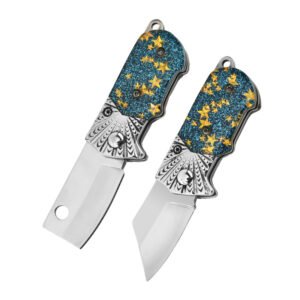
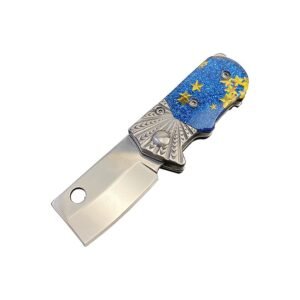
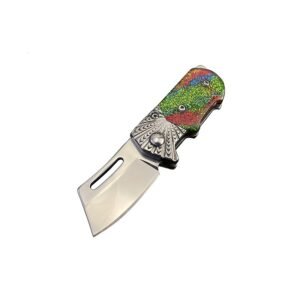
For retailers and distributors, this is why a broad assortment matters. Buyers often want everyday folding knives that are practical, compact, and easier to place in more markets. You can browse a range of options in the folding knife wholesale category when selecting products for general utility use.
Why pocket knife laws vary so much
Knife laws are usually written at the local or regional level, which creates a patchwork of rules. One city may allow a small folding knife with no issue, while another may restrict carry in public buildings or define certain knives as prohibited items. Even when a knife itself is legal to own, carrying it in the wrong setting can still create a problem.
That is why people should not assume a pocket knife is automatically allowed just because it is small. A compact blade may still be restricted if it opens automatically, locks in a way local law treats differently, or is carried into a prohibited location. For buyers serving multiple regions, product selection should favor models that are straightforward to describe, easy to classify, and appropriate for common utility use.
What shoppers should check before carrying one
If you want to carry a pocket knife responsibly, start with the basics. A few minutes of checking can prevent a lot of trouble later.
- Check local and state rules: Look for blade length limits, prohibited knife types, and concealed carry rules.
- Review location-specific restrictions: Schools, airports, public events, and government buildings often have stricter rules.
- Look at the knife’s features: Manual opening, locking design, and blade profile may all matter.
- Keep the knife for ordinary utility use: Pocket knives are commonly used for opening boxes, cutting cord, or light outdoor tasks.
- Carry responsibly: A clean, secure pocket clip or sheath and safe storage at home are part of responsible ownership.
For many people, a compact folding knife is the most practical option because it is easy to store, carry, and explain as a tool. That makes it a common choice for workwear, EDC customers, and general household use.
How retailers and wholesale buyers should evaluate inventory
If you buy knives for a store, online shop, or distribution business, legality affects more than customer satisfaction. It also affects returns, complaints, and which products move fastest. Buyers often prefer folding knives that are versatile, clearly labeled, and not overly specialized.
Useful criteria include:
- Simple manual opening: Easy to understand and generally more broadly accepted than more aggressive mechanisms.
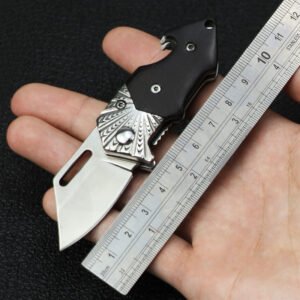
- Practical blade sizes: Compact models often appeal to everyday users and can fit more markets.
- Durable handle materials: Aluminum, G10, stainless steel, and similar materials affect feel and price point.
- Secure lockup: Customers expect a knife that feels stable during normal utility tasks.
- Clear product descriptions: Blade length, opening style, and intended use should be easy to communicate.
Wholesale buyers also benefit from having a mix of value-driven and premium-looking folding knives. That helps serve hardware stores, outdoor shops, convenience retailers, and online resellers with different customer bases. When you choose inventory, think about what a general consumer can understand quickly and what is less likely to create confusion at the point of sale.
Common mistakes people make
Many knife-related problems come from assumptions rather than the knife itself. The most common mistakes are easy to avoid.
- Assuming all small knives are legal everywhere: Size alone does not guarantee compliance.
- Ignoring carry restrictions in specific buildings: A knife allowed on the street may still be banned in a venue.
- Buying without checking opening style: Some customers want a standard folder, not a mechanism that may be restricted in their area.
- Forgetting about travel rules: What is fine locally may not be fine when crossing into another jurisdiction.
- Not training staff: Retail employees should know how to answer basic questions and avoid making legal promises.
From a wholesale perspective, another mistake is stocking only niche models. A catalog that includes practical everyday folders gives resellers more flexibility and reduces the chance that a buyer will pass on an entire category because one product seems too specialized.
Safe and responsible pocket knife carry
Even when a pocket knife is allowed, safe handling matters. A knife should be stored securely, kept clean, and used only for normal cutting tasks. It should not be left loose in a bag where it can snag or open accidentally. A pocket clip, pouch, or closed pocket carry can help keep the knife controlled and accessible.
Responsible ownership also means regular maintenance. A dull blade can be harder to control than a sharp one, so users should keep the knife in good working condition and follow the manufacturer’s care instructions. For retail customers, this is often a better selling point than flashy features: a dependable folding knife that is easy to maintain and easy to carry.
What to tell customers asking if they can carry one
If you operate a store or online shop, the safest answer is simple: it depends on local rules and the specific knife. You can explain that many people carry pocket knives for everyday utility, but the customer should verify blade-length limits, prohibited locations, and any restrictions on the opening mechanism before carrying it.
That answer is honest, practical, and helpful. It also keeps the conversation focused on product fit rather than legal certainty. Buyers appreciate clear guidance, especially when they are choosing inventory for a broad customer base or selling into multiple regions.
Frequently asked questions
Is it legal to carry a pocket knife every day?
Often it is, but not always. Laws vary by location and by knife type. Check your local rules before carrying one regularly.
Do blade length limits matter?
Yes. In many places, blade length is one of the main factors used to determine whether a knife can be carried openly or concealed.
Are folding knives usually easier to carry legally than other types?
They often are, especially simple manual folders used for utility tasks. However, the exact rules still depend on where you are.
Can I carry a pocket knife while traveling?
Not automatically. Travel can cross into different legal areas, and airports or other transportation hubs often have separate restrictions.
What should wholesale buyers look for in a general-purpose folder?
Look for clear specifications, practical blade sizes, dependable construction, and product styles that fit everyday utility use across a wide customer base.
For buyers building a practical knife assortment, it helps to focus on folding knives that are easy to understand, easy to merchandise, and suitable for common everyday tasks. That approach supports both retail sales and customer confidence while keeping the conversation grounded in responsible ownership and local compliance.