

Can I Put a Pocket Knife in My Checked Luggage?

Short answer
Learn whether you can put a pocket knife in checked luggage, what TSA-style rules usually allow, packing tips, common mistakes, and what buyers should know befo
In this article
- 01 What travelers usually need to know first
- 02 How to pack a pocket knife in checked luggage
- 03 Common mistakes that create problems at the airport
- 04 What about different kinds of pocket knives?
- 05 Why wholesale buyers should care about travel-friendly designs
- 06 How to choose a pocket knife with travel in mind
- 07 When to double-check before you fly
- 08 Practical FAQ
- 09 Can I put a pocket knife in checked luggage on domestic flights?
- 10 Do I need to declare a pocket knife at check-in?
- 11 Can I pack a pocket knife in my backpack if the backpack is checked?
- 12 What if my knife is confiscated?
- 13 Is a multitool with a small blade treated the same way?
- 14 Bottom line for travelers and buyers
Yes, in most cases you can put a pocket knife in your checked luggage, as long as it is packed safely and you follow the airline and airport rules that apply where you are traveling. The key point is that pocket knives are generally not allowed in carry-on bags, but they are often permitted in checked baggage. That said, local laws, airline policies, and destination-country rules can differ, so it is always smart to verify before you fly.
For shoppers, retail buyers, and wholesale customers, this question comes up often because pocket knives are practical tools for travel, camping, work, and everyday carry. The answer is usually straightforward, but the details matter. A knife that is acceptable in checked luggage can still create problems if it is packed carelessly, left accessible, or carried into a place with stricter restrictions.
What travelers usually need to know first
In general, a pocket knife belongs in checked baggage rather than in your carry-on. Airport security screening is designed to keep sharp objects out of the cabin, and even a small folding knife can be flagged if it is found in a personal item or backpack. Checked luggage is the safer place for it because the bag is stored in the aircraft hold and not accessible to passengers during the flight.
Still, “usually allowed” is not the same as “always allowed.” Rules can depend on the size and type of knife, the country you are departing from, the country you are entering, and even the airline’s own policy. If you are traveling internationally, it is especially important to check both departure and destination rules before packing any knife.
How to pack a pocket knife in checked luggage
Good packing reduces the chance of damage, injury, or confusion during screening. A pocket knife should be folded closed and secured so it cannot open inside the bag. A sheath, blade cover, or hard case adds an extra layer of protection, especially if the knife has a sharp point or a strong opening mechanism.
It also helps to place the knife in a part of the suitcase that is not likely to shift around. Many travelers store it inside a toiletry kit, tool pouch, or other organized compartment, then keep it away from loose objects that could press against the blade. If you are carrying more than one tool, make sure each item is protected separately.
Simple packing tips:
- Keep the blade folded and locked only if the knife is designed to lock closed safely.
- Use a sheath, blade guard, or protective wrap.
- Place the knife in checked baggage only, never in a carry-on.
- Store it where it will not puncture clothing, bags, or other items.
- Check that the knife is clean and dry before packing.
Common mistakes that create problems at the airport
One of the most common mistakes is forgetting that a knife was left in a jacket pocket, backpack, or laptop bag. Travelers often move items between bags and overlook small tools. That can lead to delays at security, bag inspections, or in some cases confiscation. Another mistake is packing a knife loosely so it shifts during handling and becomes a safety issue for baggage staff.
Some travelers also assume that because a knife is small, it will not matter. In reality, even a compact folding knife can trigger an issue if it is found in the wrong bag. Another frequent problem is relying on general advice without checking the exact route. A domestic flight may have one set of expectations, while an international connection may have another.
If you are traveling for business, trade shows, outdoor events, or retail buying trips, it is worth building a simple packing routine. Check every pocket, case, and organizer before heading to the airport so you do not accidentally carry a knife into the cabin.
What about different kinds of pocket knives?
Not every folding knife is viewed the same way. A basic non-assisted pocket knife may be treated differently from a knife with special opening features, a larger blade, or a more tactical design. Some airports or countries may also pay closer attention to knives with aggressive styling, while others focus mainly on blade length, locking mechanisms, or local possession rules.
For buyers and resellers, this is one reason product selection matters. A practical everyday folding knife for utility use may be a better fit for broad customer appeal than a model with more restrictive travel concerns. If your customers include campers, tradespeople, and frequent travelers, consider offering a range of sizes and styles so they can choose based on intended use and local regulations.
When sourcing inventory, it helps to review not only the appearance and construction of the knife, but also how easy it is to store safely. A well-made folding knife with a secure closed position, durable handle, and protective packaging is easier for end users to pack responsibly.
Why wholesale buyers should care about travel-friendly designs
Wholesale and retail buyers often focus on blade steel, handle material, and price point, but travel practicality can also influence demand. Customers who fly for work or leisure want tools that are simple to store, easy to explain, and less likely to cause issues when packed. That can make compact folding knives, slim profiles, and reliable locking systems more attractive than oversized models.
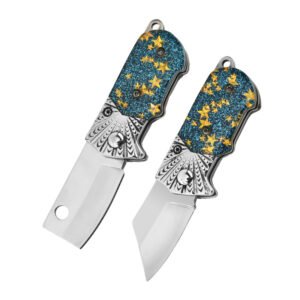
For catalog planning, it is useful to think about how the knife will be used and where it may travel. Buyers who stock a broad mix of folding knives can serve a wider audience, including outdoor retailers, gift shops, hardware stores, and online resellers. If you are building a knife assortment, you can browse folding knife wholesale options to compare styles that fit everyday carry, utility use, and general retail demand.
How to choose a pocket knife with travel in mind
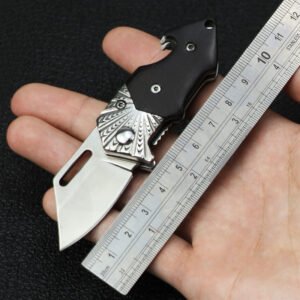
If you want a knife that is easier to manage during trips, look for features that support safe storage and everyday utility. A compact closed length, smooth folding action, and a secure blade lock can all make a difference. Many buyers also prefer materials that resist corrosion, especially if the knife may be packed with toiletries, outdoor gear, or items exposed to humidity.
Useful buyer criteria include:
- Size: Smaller closed dimensions are easier to store in checked baggage.
- Blade protection: Sheaths or packaging help prevent accidental contact.
- Build quality: Solid construction reduces the chance of opening or damage during transit.
- Material choice: Stainless or corrosion-resistant components are practical for travel.
- Customer use case: Everyday utility, camping, work, or collecting may call for different designs.
For distributors and store buyers, it is also smart to consider how the product will be presented. Clear product descriptions, responsible-use language, and simple care instructions help customers make informed decisions without confusion.
When to double-check before you fly
You should always verify the rules if you are flying internationally, connecting through multiple airports, or carrying the knife into a place with stricter local restrictions. Some destinations limit blade length or restrict certain knife types more than others. Even if a pocket knife is allowed in your checked luggage, local possession laws may still matter once you arrive.
It is also a good idea to check if your airline has additional baggage guidance. While airlines often follow aviation and security standards, they may still have their own policies about sharp objects. If you are unsure, contact the airline directly or review the airport security website for the route you are taking.
Practical FAQ
Can I put a pocket knife in checked luggage on domestic flights?
In many cases, yes. Domestic travel often allows pocket knives in checked baggage, but you should still confirm the rules for your departure airport and airline. Never place a knife in a carry-on bag.
Do I need to declare a pocket knife at check-in?
Usually, pocket knives do not need a special declaration when packed in checked baggage, but procedures vary by airline and country. If you are unsure, ask the airline before you travel.
Can I pack a pocket knife in my backpack if the backpack is checked?
Yes, if the backpack is part of your checked luggage and the knife is packed safely inside. Make sure it is folded, protected, and not accessible during screening or handling.
What if my knife is confiscated?
If a knife is found where it is not allowed, it may be removed by security. Policies vary, and items may not be returned. That is why it is important to check the rules and pack carefully.
Is a multitool with a small blade treated the same way?
Often, multitools with blades are treated similarly to pocket knives for air travel. Even if the tool has many useful functions, the blade portion can still create a problem in carry-on luggage.
Bottom line for travelers and buyers
Yes, a pocket knife can usually go in checked luggage, but only if it is packed properly and complies with the rules for your route. Keep it folded, protected, and stored in checked baggage only. For travelers, that means fewer airport surprises. For retailers and wholesale buyers, it means choosing folding knives that are practical, well-made, and easy for customers to store responsibly.
If you buy knives for resale or distribution, focus on quality, packaging, and clear product positioning. A well-chosen folding knife is more than a product listing; it is a tool customers expect to use safely and conveniently. When in doubt, verify local and airline rules before travel and encourage responsible ownership every time.