




Can I Use an OTF Knife for Warehouse Work?

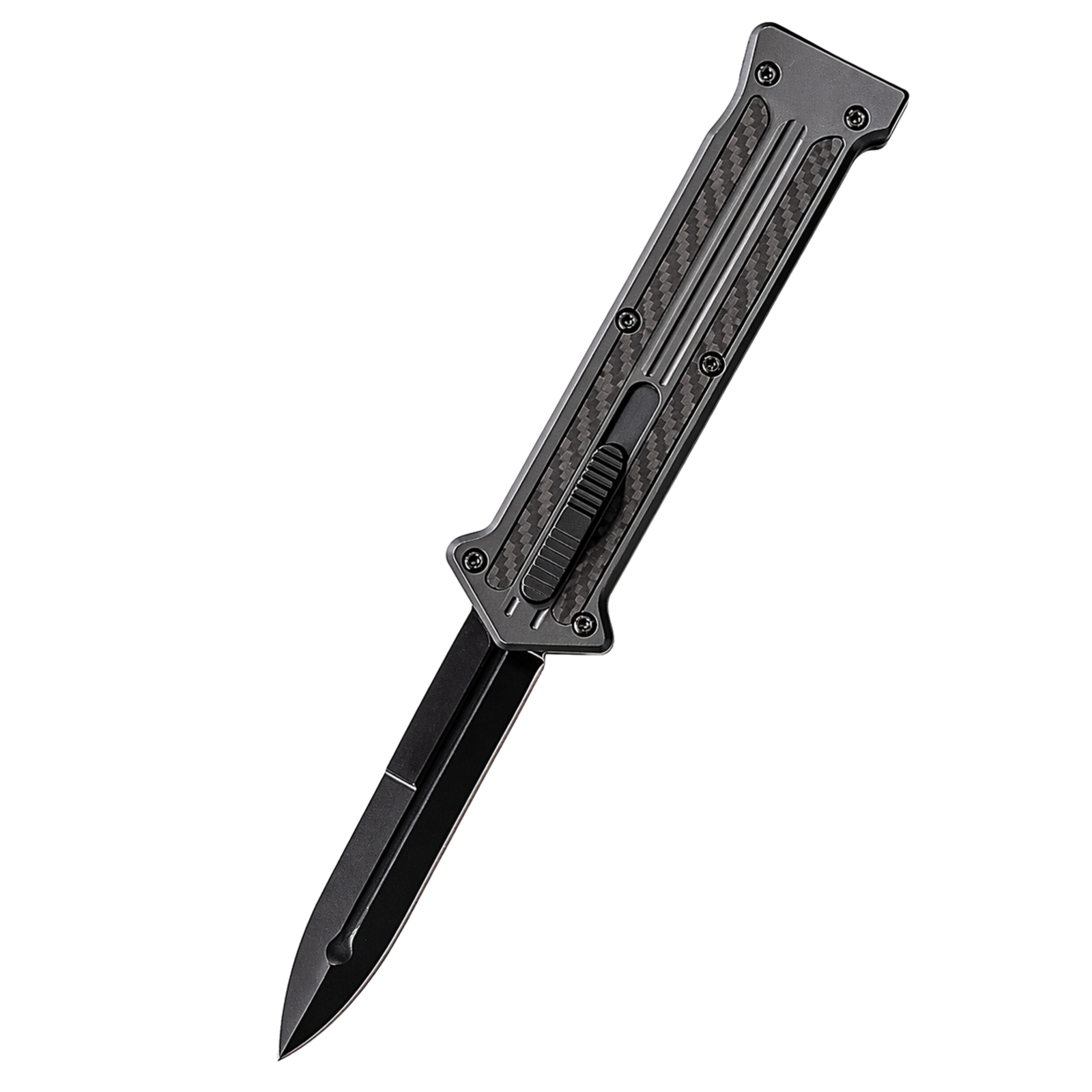
Yes, you can use an OTF knife for some warehouse work, but it depends on the task and your workplace rules. First check your employer’s tool policy; many warehouses require safety cutters or utility knives only.
If your site allows personal cutting tools, an OTF can be acceptable for light, controlled cutting such as opening taped cartons, trimming stretch wrap, and breaking down boxes at a bench. It is usually the wrong tool for prying, scraping, cutting heavy strapping under tension, or dirty receiving work where cardboard dust and pallet grit get into everything.
Quick verdict
- Usually acceptable: carton tape, shrink wrap, label trimming, light box breakdown.
- Usually not recommended: thick plastic strapping, staple scraping, pallet work, prying, shared-tool stations.
- Often better choice: a safety cutter or utility knife when policy requires standardized tools, glove use is mandatory, or blades need quick replacement.
1) Short answer: when an OTF is acceptable in warehouse work
An OTF is most useful when the job is mostly controlled slicing, not forceful cutting. The practical advantage is simple: one-handed deployment and retraction. That can help when one hand is holding a carton flap, stretch wrap, or packing material.
Normal use: opening taped cartons, trimming film, cutting loose wrap, slicing label stock, and flattening empty boxes on a table. In these jobs, the blade enters shallowly, the cut path is visible, and the knife is not being twisted.
Borderline use: repeated cutting of double-wall cardboard, long shifts opening dozens of cartons, or working in dusty receiving where lint and grit build up fast. An OTF may still work, but expect more cleaning and more attention to switch reliability.
Problem use: cutting thick strapping under tension, digging into compacted wrap near product, scraping adhesive, prying staples, or using the knife with gloves that make the slider hard to control. These jobs increase the chance of poor cut control or mechanism problems.
A realistic example: a receiving clerk at a clean packing bench opening 50 cartons, trimming shrink wrap, and collapsing boxes may do fine with an OTF if company policy allows it. A dock worker handling palletized loads, plastic banding, wet cardboard, and dusty freight will usually be better served by a utility knife or a safety cutter.
If you are still comparing tool types, keep the decision practical: choose the tool that matches the station, not the one that looks most versatile. For reference, some users start by reviewing available OTF knife options, but policy and task fit should come first.
2) When an OTF is acceptable in warehouse work
An OTF makes the most sense when all of the following are true:
- Your employer allows automatic knives or does not restrict cutting tools to safety cutters only.
- The work is mostly boxes, tape, film, and light packaging materials.
- You need one-handed access because the other hand is stabilizing packaging, not holding the item in the cut path.
- You are using a practical, single-edge blade rather than a double-edge dagger style.
- You can keep the knife reasonably clean and inspect it during the week.
For warehouse tasks, a plain edge and moderate blade length are usually easier to control than aggressive or novelty blade shapes. A shorter, practical blade helps reduce over-penetration into the box contents. That matters more than premium steel claims or styling.
Glove use is another real-world filter. If workers must wear thick gloves, test whether the slider can be operated cleanly without shifting grip or using the other hand. If the switch is hard to move with required PPE, the knife is not a good fit for that station even if it cuts well on paper.
Shared-use environments also matter. OTF knives are usually a better fit for one trained user than for a common tool drawer. Warehouses often prefer standardized utility cutters because they are easier to issue, inspect, and replace across a team.
| Tool type | Best tasks | Debris tolerance | Maintenance | Policy acceptance |
|---|---|---|---|---|
| OTF knife | Carton tape, stretch wrap, light box breakdown | Fair in light dust; weaker in heavy lint and grit | Needs periodic cleaning and function checks | Varies widely by employer |
| Utility knife | General box work, heavier cardboard, mixed packaging | Good | Simple; replace blade as needed | Commonly accepted |
| Safety cutter | High-volume carton opening, standardized warehouse use | Good to very good | Usually simple; often easy blade swaps | Most widely accepted |
3) When an OTF is the wrong tool
An OTF is the wrong choice when the warehouse needs standardization, low training burden, and predictable compliance more than one-handed convenience. That is why many sites issue safety cutters or replaceable-blade utility knives instead of allowing personal knives.
It is also a poor fit when the work includes:
- Strapping: especially hard plastic or banding under tension, where snap-through can be abrupt.
- Dusty receiving: cardboard fibers, dirt, and pallet debris can affect moving parts over time.
- Prying and scraping: removing staples, label residue, or embedded packaging material.
- Shared tools: multiple users with different grip habits, glove types, and training levels.
- Strict injury controls: sites that require rounded-tip safety cutters, concealed blades, or documented tool issue procedures.
Utility knives and safety cutters also have an advantage when blades need frequent replacement. In high-volume carton work, some employers prefer a replaceable blade system because it is easier to keep cutting performance consistent without waiting for sharpening or tool cleaning.
That does not mean an OTF is automatically unsafe or impractical. It means the tool has a narrower sweet spot. If the job is repetitive, dusty, forceful, or policy-driven, a simpler cutter is often the more practical answer.
4) Quick supervisor/worker checklist
Use this as a fast pass/fail screen before putting an OTF into warehouse use.
- Pass: Company policy allows personal knives or automatic knives.
- Pass: Main tasks are cartons, wrap, and light box breakdown.
- Pass: Blade opens and retracts cleanly 20 times in a row.
- Pass: User can operate the switch with required gloves.
- Pass: Tip can cut tape without plunging deep into the carton.
- Fail: Site requires safety cutters or utility knives only.
- Fail: Work regularly involves strapping, staples, scraping, or prying.
- Fail: Tool is shared between workers on different shifts.
- Fail: Dust, lint, or residue causes sluggish action after one shift.
- Fail: User has to change grip twice to deploy or retract the blade.
Simple rule: if two or more fail points apply, an OTF is probably the wrong tool for that warehouse station.
What buyers and supervisors should check before approving one
Keep the review practical and observable:
- Blade style: single-edge only for work use; avoid double-edge styles for routine warehouse cutting.
- Cut control: test on actual carton tape, stretch film, and the thickest cardboard handled in a normal shift.
- Glove compatibility: verify operation with required PPE, not bare hands only.
- Cleaning burden: if the tool needs attention every few hours in your environment, it may not be the right fit.
- Policy fit: confirm whether supervisors need a standardized cutter for injury reporting or replacement control.
FAQ
Is an OTF knife good for opening boxes all day?
Sometimes, but not always. For light carton opening it can work well. For all-day heavy cardboard or standardized warehouse stations, a utility knife or safety cutter is often the better fit.
Do OTF knives jam in dusty warehouse conditions?
They can become sluggish when cardboard lint, tape residue, and grit build up. In light dust this may be manageable with routine cleaning; in dirty receiving areas, a simpler tool is usually more practical.
What blade style is best for warehouse work?
A plain-edge, single-edge blade is usually the best choice. It is easier to control on tape and boxes and is generally easier to justify at work than a double-edge dagger style.
Can I use an OTF knife for plastic strapping?
Only for lighter material, and even then with caution. Thick or tensioned strapping is better handled with a tool intended for that job.
What if my warehouse requires a safety cutter?
Then use the safety cutter. Policy should decide the question before personal preference does.
So, can I use an OTF knife for warehouse work?
Yes, for light, controlled cutting tasks if your employer allows it. No, not as a universal replacement for safety cutters or utility knives. The best fit is clean, individual use on boxes and wrap; the worst fit is dirty, forceful, shared, or policy-restricted work.