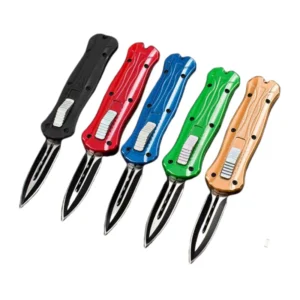


Can You Bring a Pocket Knife Through TSA? What Travelers and Buyers Should Know

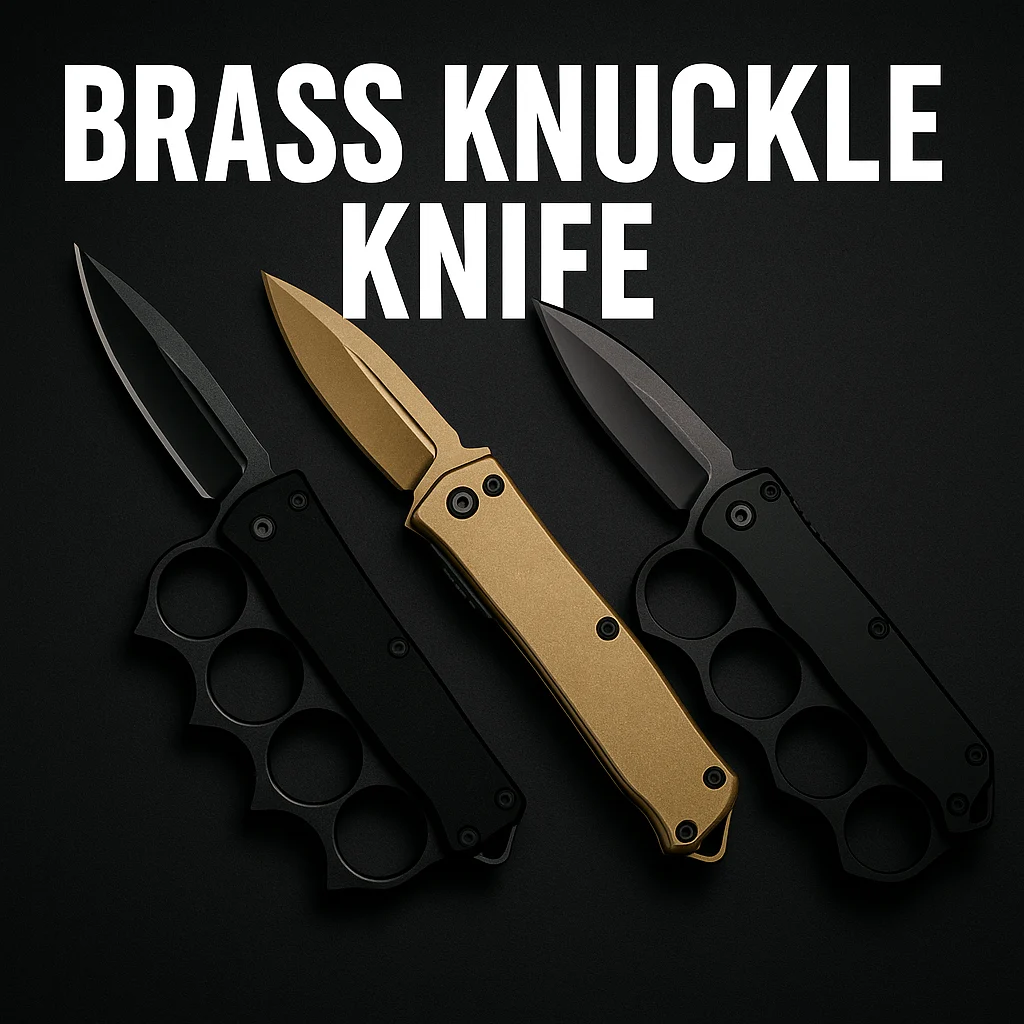
Short answer
Learn whether you can bring a pocket knife through TSA, what happens at airport security, and how travelers, retailers, and wholesale buyers should choose compl
In this article
- 01 What TSA usually allows and does not allow
- 02 Why pocket knives cause problems at airport security
- 03 Checked bag vs. carry-on: the practical difference
- 04 Good travel habits for knife owners
- 05 What this means for retailers and wholesale buyers
- 06 How to choose a folding knife customers can actually use
- 07 Buyer criteria that matter
- 08 Common mistakes to avoid before flying
- 09 Responsible ownership and storage
- 10 Practical FAQ
- 11 Can you bring a pocket knife through TSA in your carry-on?
- 12 Can a tiny folding knife or keychain knife go through airport security?
- 13 What happens if TSA finds a knife in my bag?
- 14 Is it okay to pack a pocket knife in checked luggage?
- 15 What should retailers tell customers who ask for a travel knife?
The short answer is no: you generally cannot bring a pocket knife through TSA security screening in your carry-on bag. If you pack one in a checked bag, it may be allowed, but the final decision depends on current TSA rules, airline policies, and local laws. If you travel often, sell knives, or buy for retail, it helps to understand the difference between travel-friendly tools and knives that are better left at home or packed properly.
What TSA usually allows and does not allow
TSA screening is built around passenger safety, so pocket knives are treated as prohibited items in carry-on luggage. That includes many common folding knives, whether they are compact EDC models, traditional slipjoints, or assisted-opening folders. Even a small blade can be flagged at the checkpoint.
In most cases, the only safe assumption is this: if it has a blade, do not plan to take it through the checkpoint in your pocket, purse, backpack, or carry-on. TSA officers may confiscate it, and you could also face delays or additional screening.
Checked baggage is a different story. Many travelers place folding knives in checked luggage, but you should still review TSA guidance and airline rules before flying. Some destinations, connecting flights, and international routes may have stricter requirements.
Why pocket knives cause problems at airport security
Airport screening is not only about the knife itself, but also about how it is carried and how quickly it can be accessed. A pocket knife in a side pocket, organizer pouch, or multi-tool case can still be considered a prohibited item if it is reachable in the cabin.
Common reasons travelers get stopped include:
- Forgetting a knife in a backpack or jacket pocket
- Leaving a folding knife attached to keychains or EDC organizers
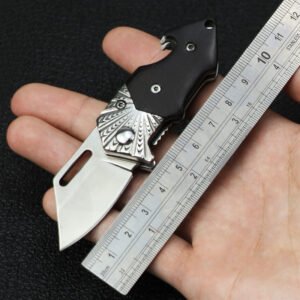
- Assuming a very small blade is acceptable
- Mixing tools and blades in the same pouch
- Not checking return-trip rules before a flight
If you carry a knife daily for work, camping, or utility use, the airport is one of the easiest places to make a simple mistake. A quick bag check before leaving for the terminal can prevent losing a favorite knife at security.
Checked bag vs. carry-on: the practical difference
For most travelers, the easiest rule is simple: never place a pocket knife in a carry-on bag. If you want to travel with it, use checked luggage and keep it packed securely. A sheath, pouch, or hard-sided case can help protect the blade and other items in the bag.
That said, checked baggage does not mean “anything goes.” It is still smart to think about the knife’s size, locking mechanism, and overall build. A compact folding knife intended for everyday utility is usually easier to store safely than a large tactical folder. Travelers should also remember that local and destination laws may regulate blade length, blade style, or concealment.
Good travel habits for knife owners
- Empty all pockets before heading to the airport
- Check backpacks, laptop bags, and toiletry kits for forgotten blades
- Store knives in checked luggage only, if you choose to travel with them
- Keep receipts or product details if you are carrying a knife for work or resale
- Verify the rules for your departure, connection, and destination
What this means for retailers and wholesale buyers
If you sell knives or buy inventory for a store, the TSA question matters because customers often ask for travel-friendly options. The best approach is to be clear about use cases. A folding knife can be an excellent everyday utility item, but it should not be presented as something suitable for carry-on air travel.
Retailers who stock a range of folding knives should consider how they describe blade length, locking style, and intended use. Clear product pages and in-store guidance reduce confusion and help customers make responsible choices. If you source inventory for a gift shop, outdoor store, or online marketplace, a balanced selection can meet demand without creating avoidable travel misunderstandings.
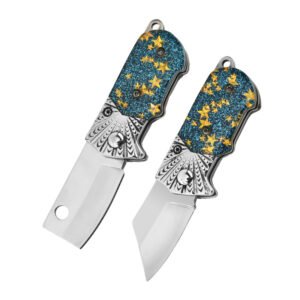
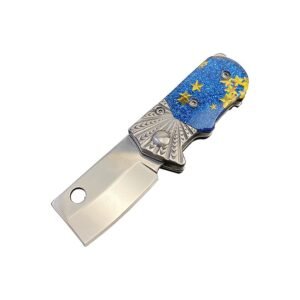
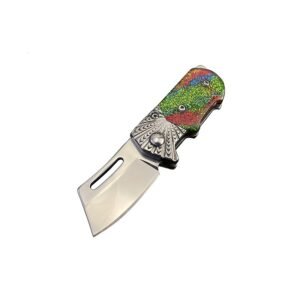
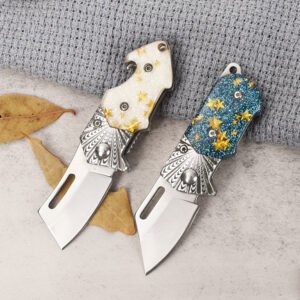
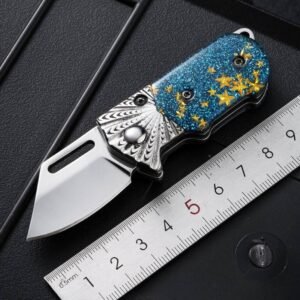
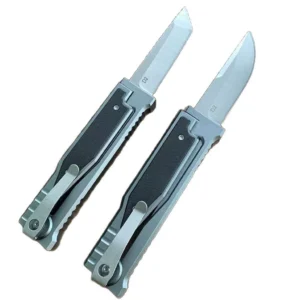
For buyers looking to expand their assortment, a dedicated folding knife wholesale category can be useful for comparing styles, materials, and price points in one place. That makes it easier to choose products that fit your customer base, whether they want compact daily-use folders, outdoor pieces, or value-driven bulk options.
How to choose a folding knife customers can actually use
When shoppers ask whether they can bring a pocket knife through TSA, they are often really asking how to buy the right knife for daily life. A good folding knife should feel practical, durable, and easy to carry responsibly. For wholesale buyers, these are the features that often drive repeat sales and fewer returns.
Buyer criteria that matter
- Blade size: Smaller blades are often more convenient for utility tasks and easier to store safely.
- Lock type: A secure lock can improve confidence during normal use.
- Handle material: G10, aluminum, wood, and stainless steel each offer different weight and grip characteristics.
- Opening action: Smooth manual opening is common for everyday carry, while assisted-open designs may raise questions in some jurisdictions.
- Clip and carry style: Deep-carry clips and compact profiles appeal to customers who want discreet everyday carry.
- Finish and maintenance: Corrosion resistance and easy cleaning are important for users who work outdoors or in humid environments.
These details matter because the right knife for a hardware store customer may not be the same as the right knife for an outdoor retailer or a resale storefront. Wholesale buyers who understand their audience usually stock smarter.
Common mistakes to avoid before flying
Most airport knife problems come from simple oversights, not intentional rule-breaking. The biggest mistake is assuming a knife is “too small to matter.” Another common issue is packing a pocket knife in a bag that later becomes a carry-on after a gate change or itinerary change.
Other mistakes include:
- Leaving a knife in a jacket that gets worn to the terminal
- Putting a knife in a toiletry pouch or tool organizer and forgetting it
- Assuming international rules match U.S. airport rules
- Buying a knife as a souvenir without checking how to transport it home
- Not warning family members or employees who may borrow your bag
If you travel with employees, retail samples, or trade-show inventory, build a simple pre-flight checklist. That is especially helpful for distributors and B2B buyers who move products between locations and may handle multiple bags in a single trip.
Responsible ownership and storage
Even when a pocket knife is legal to own and carry in a given place, responsible storage matters. Keep blades folded, clean, and out of reach of children. Use cases or pouches when transporting knives in luggage or inventory boxes. For retail displays, secure knives according to store policy and local regulations.
For wholesale customers, packaging and storage can influence satisfaction just as much as the knife itself. A well-packed folding knife arrives cleaner, safer, and more presentable, which matters whether the end user is a hobbyist, an outdoor worker, or a gift buyer.
Practical FAQ
Can you bring a pocket knife through TSA in your carry-on?
Generally, no. Pocket knives are not allowed in carry-on luggage. If you are traveling with one, review the rules for checked baggage and your specific route.
Can a tiny folding knife or keychain knife go through airport security?
Usually no. Small size does not automatically make a blade acceptable in the cabin. Treat any bladed item as prohibited until you confirm otherwise with official guidance.
What happens if TSA finds a knife in my bag?
The item may be confiscated, and you may face delays or additional screening. Policies can vary, so it is best to remove knives before arriving at the checkpoint.
Is it okay to pack a pocket knife in checked luggage?
Often yes, but you should still verify current TSA guidance, airline policy, and any local or destination restrictions before flying.
What should retailers tell customers who ask for a travel knife?
Be clear that pocket knives are not for carry-on air travel. Recommend customers check local laws and airline rules, and consider utility-focused folding knives for everyday use rather than flight carry.
For anyone buying, selling, or carrying folding knives, the safest approach is to plan ahead, pack carefully, and verify the rules before you travel. That keeps the experience smoother for passengers and helps retailers and wholesale buyers give better guidance to their customers.