

Can You Pack a Pocket Knife in Checked Luggage?

Short answer
Learn whether you can pack a pocket knife in checked luggage, what airline and TSA-style rules usually mean, packing tips, and common mistakes to avoid.
In this article
- 01 What travelers usually need to know first
- 02 Why pocket knives are usually not allowed in carry-ons
- 03 How to pack a pocket knife in checked luggage the right way
- 04 Common mistakes travelers make
- 05 What types of folding knives are easier to travel with
- 06 Practical examples for shoppers and resellers
- 07 Buyer criteria that matter for travel-friendly folding knives
- 08 How to avoid problems at the airport
- 09 FAQ
- 10 Can you pack a pocket knife in checked luggage on a plane?
- 11 Do I need to declare a pocket knife in checked baggage?
- 12 Can I pack a folding knife with other tools?
- 13 What if I am traveling internationally?
- 14 What is the safest way to store a knife in luggage?
- 15 Final takeaway
Yes, in many cases you can pack a pocket knife in checked luggage, but you should never assume every knife is allowed everywhere. The safest approach is to keep the knife securely packed in your checked bag, follow the airline’s rules, and verify the laws at your departure and destination locations before you travel. A small folding knife that is legal to own may still be restricted in some places, and carrying it the wrong way can create problems at the airport or after you land.
What travelers usually need to know first
For most U.S. air travel, pocket knives are not allowed in carry-on bags, but they are often permitted in checked baggage when packed properly. That said, airport security rules, airline policies, and local laws can differ. If you are traveling internationally, the rules can change even more. What is acceptable in one airport may be treated differently in another, so it is smart to check before you leave home.
If you are a retail buyer, store owner, or reseller, this matters because customers often ask whether a folding knife is travel-friendly. The answer is usually “checked bag only,” but the exact details depend on the knife style, blade length, locking mechanism, and destination rules.
Why pocket knives are usually not allowed in carry-ons
Security screening for carry-on luggage is designed to keep sharp objects out of the passenger cabin. Even a compact folding knife can be treated as a prohibited item in a carry-on bag. That includes many everyday pocket knives, multi-tools with blades, and compact utility knives.
Checked baggage is different because it is stored in the cargo hold rather than the cabin. That does not mean you can pack anything without thought. The knife should be secured so it cannot damage your luggage, injure baggage handlers, or open during transit.
How to pack a pocket knife in checked luggage the right way
If you decide to travel with a pocket knife, pack it so it stays closed and protected. A simple folding knife should be fully folded, then placed in a sheath, pouch, or wrapped in a protective layer. Keep it in the middle of the suitcase rather than near the zipper opening.
Good packing habits also help prevent damage to the knife itself. Moisture, impact, and loose movement inside a bag can dull the blade or wear down the handle finish. If the knife is part of a retail order or sample shipment, secure packaging matters even more.
- Close the blade completely before packing.
- Use a sheath, case, or padded wrap.
- Place it inside a hard-sided or well-structured suitcase if possible.
- Keep it away from loose items that could press against the blade.
- Check that the knife is legal at your destination.
Common mistakes travelers make
One of the most common mistakes is placing a pocket knife in a carry-on by accident. This often happens when travelers keep everyday tools in a backpack or toiletry pouch. Another mistake is packing a knife loosely in checked luggage, where it can shift around and potentially puncture soft-sided bags.
People also overlook destination rules. A knife that is fine in one state or country may be restricted in another, especially if it has a spring-assisted opening, a locking blade, or a blade length that falls under local limits. If you are unsure, verify the rules with the airline, airport, and local authorities before travel.
For wholesale customers, this is worth considering when choosing inventory. Practical, compact folding models are easier for general everyday use, but the more specialized the knife is, the more important it becomes to provide clear product details to buyers.
What types of folding knives are easier to travel with
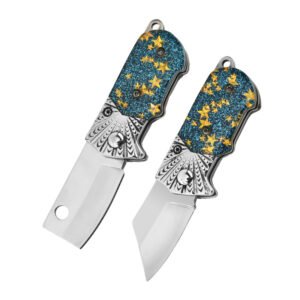
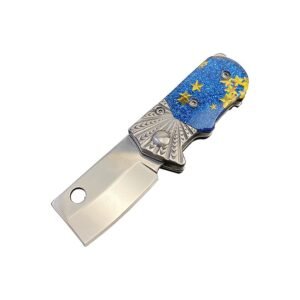
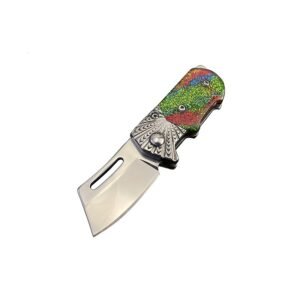
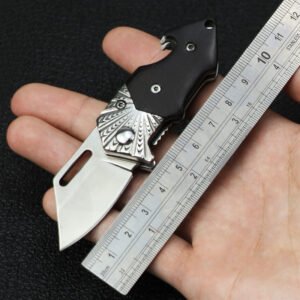
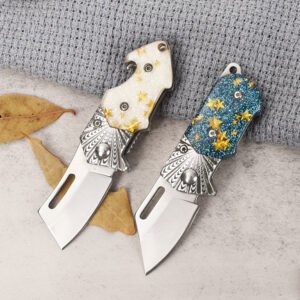
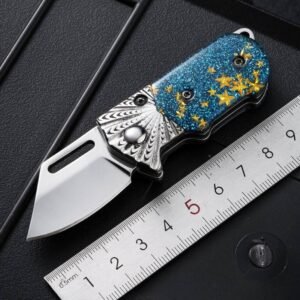
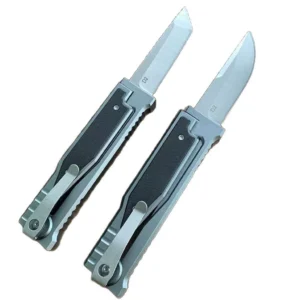
Not every folding knife is viewed the same way by buyers or by travel rules. A simple manual folder with a modest blade and a secure closed position is generally easier to store than a larger tactical-style model. Some customers prefer lightweight pocket knives for utility, camping, or work use because they are easier to pack and less likely to raise questions.
When sourcing for a store or online catalog, many buyers look for features such as:
- Compact closed size for easier storage.
- Reliable lockup to keep the blade shut during transport.
- Durable handle materials that resist wear in luggage.
- Everyday utility design rather than oversized styling.
- Clear product descriptions so customers understand what they are buying.
If you are sourcing inventory, you can browse our folding knife wholesale category for styles that fit a wide range of retail and B2B needs.
Practical examples for shoppers and resellers
A traveler flying home from a camping trip may pack a small folding knife in a checked suitcase with camping gear. That is usually the simplest option, provided the knife is legal where they are traveling and it is packed securely. A business traveler who keeps a pocket knife on a keychain or in a daily carry bag should make sure it is removed before going through security.
For resellers, a customer may ask whether a knife can be shipped or transported with luggage. The answer depends on the carrier and the destination, but the packaging should always reflect responsible handling. Clear product listings, simple care instructions, and honest descriptions help reduce confusion and returns.
Buyer criteria that matter for travel-friendly folding knives
If your customers ask for knives that are easier to store or travel with, focus on practical details rather than flashy features. A well-made folder should be easy to close, easy to secure, and easy to explain. That is especially important for wholesale buyers who serve general consumers, outdoor stores, or convenience retailers.
Useful buying criteria include blade steel, handle grip, overall weight, pocket clip placement, and the quality of the locking mechanism. A knife that feels solid in the hand but stays compact in a bag is often more appealing than one that looks aggressive but is inconvenient to carry.
For wholesale purchasing, consistent construction and repeatable quality are important. Retailers benefit from products that are easy to merchandise and easy for staff to describe to customers who ask about travel or storage.
How to avoid problems at the airport
The easiest way to avoid trouble is to remove any pocket knife from your carry-on before you reach the airport. If you are packing for a trip, check your bags in advance and do a final scan of backpacks, laptop sleeves, toiletry kits, and tool pouches. Many travelers forget a knife because it lives in a multi-tool or an everyday organizer.
Also remember that airline staff and security officers may apply the rules strictly. Even if a knife is small, a visible blade in the wrong bag can lead to delays or confiscation. When in doubt, leave it at home or place it in checked luggage only after confirming it is allowed.
FAQ
Can you pack a pocket knife in checked luggage on a plane?
In many cases, yes. Pocket knives are commonly allowed in checked luggage, but they are generally not allowed in carry-on bags. Always verify airline, airport, and destination rules before traveling.
Do I need to declare a pocket knife in checked baggage?
Usually you do not need to make a special declaration for a standard pocket knife, but policies can vary. If you are unsure, check with your airline before departure.
Can I pack a folding knife with other tools?
Yes, but make sure each item is legal and packed securely. Multi-tools with blades may face the same restrictions as pocket knives, so review the contents carefully.
What if I am traveling internationally?
International travel can involve different laws and security rules at each stage of the trip. Verify the rules for your airline, layover airports, and final destination before packing any knife.
What is the safest way to store a knife in luggage?
Keep the blade fully closed, use a sheath or protective wrap, and place the knife in the center of a checked suitcase so it does not move around during transit.
Final takeaway
You can often pack a pocket knife in checked luggage, but the key is to do it carefully and verify the rules before you travel. Keep the knife secured, do not place it in a carry-on, and remember that local laws may be stricter than airline policies. For shoppers and wholesale buyers, compact folding knives remain a practical category because they are useful, easy to merchandise, and familiar to customers who want everyday utility with responsible storage in mind.