

How to Remove Rust from a Knife Blade


Short answer
Learn how to remove rust from a knife blade safely with simple household methods, prevention tips, and buyer advice for retailers and wholesale buyers.
In this article
- 01 What causes rust on knife blades
- 02 Before you start: check the blade condition
- 03 Safe ways to remove light rust at home
- 04 Soap, water, and thorough drying
- 05 Baking soda paste
- 06 White vinegar soak for stubborn spots
- 07 Rust eraser or fine polishing pad
- 08 How to handle heavier rust without damaging the blade
- 09 Mistakes that make rust worse
- 10 How to prevent rust from coming back
- 11 What buyers should look for in rust-resistant knives
- 12 When rust means it is time to replace the knife
- 13 Practical FAQ
- 14 Can I use lemon juice instead of vinegar?
- 15 Is rust on a knife blade dangerous?
- 16 Can I sharpen a rusty knife first?
- 17 What is the fastest method for small rust spots?
- 18 How do I keep display knives from rusting in storage?
- 19 Final thoughts
If you want to remove rust from a knife blade, start with the least aggressive method: clean the blade, dry it completely, then rub the rusted area with a soft cloth, baking soda paste, or a fine non-scratch pad. For heavier rust, use a rust eraser, white vinegar soak, or a light metal polish, always working gently along the blade and drying it right away. The goal is to remove corrosion without scratching the finish or weakening the edge.
What causes rust on knife blades
Rust forms when steel reacts with moisture and oxygen. Even a high-quality knife can develop rust if it is stored wet, left in a damp kitchen drawer, or exposed to salty air. Knives used for food prep, outdoor work, or everyday carry often see the most wear because they are handled frequently and cleaned often, sometimes without being dried fully.
Some blade finishes resist corrosion better than others, but no blade is completely immune if it is neglected. That is why buyers, store owners, and resellers often look for knives that balance sharpness, durability, and practical maintenance needs. A blade that is easy to clean and store properly tends to stay in better condition for longer.
Before you start: check the blade condition
Before you try any rust removal method, inspect the knife carefully. Light surface rust usually looks orange or brown and may wipe away with mild effort. Deeper rust can appear pitted, rough, or flaky. If the corrosion has created pits near the edge or spine, you can still improve the appearance, but the blade may need more attention afterward to restore smoothness.
Also check the handle and pivot area if the knife has moving parts. On folding knives, moisture often collects around the pivot, liners, and locking mechanism. Cleaning only the exposed blade while ignoring those areas can leave hidden rust behind.
Safe ways to remove light rust at home
Soap, water, and thorough drying
Start simple. Wash the blade with warm water and a small amount of mild dish soap. Use a soft cloth or sponge, then dry the knife completely. This alone may remove very light discoloration or reveal how much rust is actually left.
Baking soda paste
For surface rust, mix baking soda with a little water until it forms a thick paste. Apply it to the rusted area, let it sit for a few minutes, and gently rub with a soft cloth or non-abrasive pad. Wipe clean and dry immediately. This method is useful because it is mild and easy to control.
White vinegar soak for stubborn spots
White vinegar can help loosen rust, especially on small patches. Soak only the affected part of the blade for a short time, not the entire knife if the handle or hardware could be damaged by moisture. After soaking, rub the rust away with a cloth or soft brush, then rinse, dry, and oil the blade. Do not leave the knife in vinegar too long, since acid can affect the metal finish.
Rust eraser or fine polishing pad
Rust erasers are made for this kind of job and are often easier to control than household abrasives. Use light pressure and small strokes. The same applies to a very fine polishing pad: it can remove oxidation, but if you press too hard, you may leave visible scratches. Work in the direction of the blade’s finish when possible.
How to handle heavier rust without damaging the blade
If the rust is more than a surface film, use a method that balances cleaning power with blade care. A light metal polish can help on stainless steel blades, especially where the corrosion has dulled the finish. Apply a small amount to a cloth, rub gently, then buff clean. Repeat as needed rather than scrubbing aggressively.
For blades with visible pitting, you may not be able to remove every mark without professional refinishing. That is normal. The practical goal is to stop the corrosion, restore smoothness, and protect the blade from further moisture exposure. If the knife is part of a store display, a sample case, or a wholesale inventory piece, a clean, even finish often matters more than chasing perfection at the cost of the blade surface.
Mistakes that make rust worse
- Using coarse sandpaper or steel wool on a finished blade, which can leave deep scratches and make future rust more likely.
- Soaking the whole knife too long, especially folding knives with springs, pivots, or handle materials that can absorb moisture.
- Skipping the drying step, which can bring rust back quickly even after a successful cleaning.
- Using harsh chemicals without testing, which may discolor coatings or damage handles.
- Sharpening before cleaning rust, which can push corrosion into the edge and make the blade harder to restore.
A careful approach saves time in the long run. It also helps retailers and distributors reduce returns on blades that arrive with minor oxidation from storage or transit.
How to prevent rust from coming back
Once the blade is clean, prevention matters more than the cleanup. Dry the knife completely after washing, even around the edge and pivot. Apply a very thin coat of food-safe or blade-safe oil if appropriate for the knife’s intended use. Store knives in a dry place, not in a closed sheath or wet drawer where moisture can stay trapped.
If you sell knives or manage inventory, inspect stored pieces regularly. A quick wipe-down and moisture check can prevent small spots from becoming visible corrosion. For outdoor models and folding knives, buyers often appreciate blades with corrosion-resistant steel, practical handle materials, and packaging that helps protect the knife during storage.
What buyers should look for in rust-resistant knives
For retail stores, online sellers, and wholesale buyers, rust resistance is part of overall product value. Stainless steel is often the first choice for customers who want lower maintenance, but not all stainless steels perform the same. Blade finish, steel composition, and coating all influence how well a knife handles moisture.
When evaluating products for resale or stocking, consider these points:
- Steel type: Some steels are easier to maintain than others.
- Blade finish: Coated or stonewashed finishes may show light wear differently than polished blades.
- Intended use: Kitchen, outdoor, and everyday carry knives face different moisture conditions.
- Packaging and storage: Good presentation and dry storage reduce customer complaints.
- Maintenance expectations: Products that are simple to care for usually sell well to everyday users.
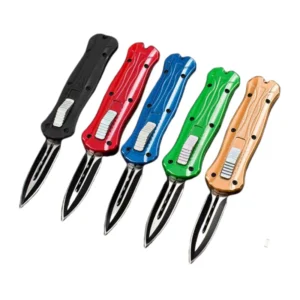
If you are sourcing inventory for a storefront or online catalog, it can help to compare blade styles and maintenance requirements before you buy in volume. You can browse the OTF and automatic knife wholesale category to review options that fit your market, or submit a wholesale inquiry if you want pricing and availability for larger orders.
When rust means it is time to replace the knife
Not every rusted blade should be saved. If corrosion has eaten deeply into the edge, caused major pitting, or reached moving parts that no longer function smoothly, replacement may be the more practical choice. This is especially true for low-cost inventory items where restoration would take more time than the knife is worth. A buyer-friendly lineup usually includes products that are easy to maintain and less likely to create service issues.
Practical FAQ
Can I use lemon juice instead of vinegar?
Yes, mild acids like lemon juice can sometimes help with surface rust. Use the same caution as with vinegar: keep exposure short, avoid soaking sensitive components, and dry the knife completely afterward.
Is rust on a knife blade dangerous?
Rust is a sign of corrosion, not a reason to panic. Light rust can usually be cleaned off. However, if the blade is heavily pitted or structurally compromised, it may no longer perform as intended. For food prep or everyday carry, it is best to restore or replace the knife before regular use.
Can I sharpen a rusty knife first?
It is better to remove the rust before sharpening. Corrosion can interfere with sharpening stones and make the edge less consistent.
What is the fastest method for small rust spots?
For tiny spots, a rust eraser or baking soda paste is often the quickest safe option. Wipe, dry, and protect the blade after cleaning.
How do I keep display knives from rusting in storage?
Store them in a dry environment, avoid sealed damp cases, and inspect them regularly. A light protective wipe can help, especially in humid climates.
Final thoughts
Removing rust from a knife blade is usually straightforward when you start gently, use the right cleaner for the level of corrosion, and dry the knife thoroughly afterward. For shoppers, that means better long-term performance. For retailers and wholesale buyers, it means fewer quality complaints and a stronger product lineup. Choose knives that fit the customer’s maintenance habits, store them properly, and rust becomes a manageable issue instead of a recurring problem.