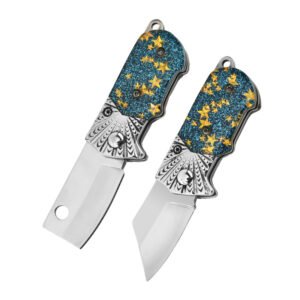


How to Sharpen a Pocket Knife at Home


Short answer
Learn how to sharpen a pocket knife at home with simple tools, safe technique, and practical maintenance tips for everyday users and buyers.
In this article
- 01 Start with the right edge condition
- 02 Choose a sharpening method that fits your skill level
- 03 Whetstone
- 04 Guided sharpener
- 05 Ceramic rod or honing tool
- 06 How to sharpen a pocket knife step by step
- 07 What sharpness should feel like on a pocket knife
- 08 Common mistakes to avoid
- 09 Safety and maintenance after sharpening
- 10 What buyers should look for in sharpening-friendly pocket knives
- 11 When to replace instead of sharpen
- 12 FAQ
- 13 How often should I sharpen a pocket knife?
- 14 Can I sharpen a pocket knife without a stone?
- 15 What angle is best for sharpening?
- 16 Why does my knife still feel dull after sharpening?
- 17 Is it worth learning to sharpen at home?
The easiest way to sharpen a pocket knife at home is to use a stable sharpening tool, keep a consistent angle, and finish with light strokes until the edge feels even and clean. For most pocket knives, a basic whetstone, ceramic rod, or guided sharpener can restore a working edge without special equipment. The key is to sharpen slowly, check your progress often, and avoid removing more metal than necessary.
Start with the right edge condition
Before you sharpen, inspect the blade. If the knife only feels dull, a few passes on a fine stone or ceramic rod may be enough. If it slips on paper, catches in soft material, or has visible nicks, you may need a coarser grit first. A pocket knife that has been neglected for a long time usually needs more work than one that is simply losing its bite from regular use.
It also helps to clean the blade first. Wipe off dirt, oil, and pocket lint so you can see the edge clearly. A clean blade is easier to control, and it reduces the chance of grinding grit into the steel.
Choose a sharpening method that fits your skill level
There are several practical ways to sharpen a pocket knife at home. The best choice depends on how comfortable you are with hand sharpening and how consistent you want the result to be.
Whetstone
A whetstone gives you the most control and works well for many folding knives. It usually comes in two grit levels: a coarser side for repairing a dull edge and a finer side for refining it. This is a good option if you want to learn the basics and sharpen different blades over time.
Guided sharpener
A guided system helps hold the angle for you, which is useful for beginners or for buyers who need repeatable results across multiple knives. Retailers and resellers often like this style because it is easy to explain to customers and reduces user error. It is also a practical choice for anyone maintaining a small knife collection at home.
Ceramic rod or honing tool
A ceramic rod is best for touch-ups, not major repairs. It can realign a slightly rolled edge and improve cutting performance between full sharpenings. For everyday carry knives, this is often the fastest maintenance tool to keep nearby.
How to sharpen a pocket knife step by step
Set the stone or sharpener on a stable surface. If you are using a whetstone, a damp towel underneath can help keep it from slipping. Hold the knife firmly and work with calm, even pressure.
- Place the blade at a consistent angle, usually around 15 to 20 degrees for many pocket knives.
- Draw the edge across the stone in a smooth motion, as if you are trying to slice a thin layer from the surface.
- Use the same number of strokes on each side to keep the bevel balanced.
- Check for a light burr along the edge before moving to a finer grit.
- Repeat on the finer side of the stone or a finishing surface with lighter pressure.
- Wipe the blade clean and test it on paper, cardboard, or another safe material.
Consistency matters more than speed. If the angle changes too much from stroke to stroke, the edge will feel uneven even if you spend a long time sharpening. Short, controlled movements usually give better results than forceful ones.
What sharpness should feel like on a pocket knife
A properly sharpened pocket knife should cut cleanly without excessive pressure. For everyday tasks, it should slice packaging, rope, or food prep material smoothly and predictably. You do not need a razor edge for all uses. In fact, many users prefer a durable working edge over an extremely fine edge that dulls quickly.
If the knife still feels rough after sharpening, the issue may be one of three things: the angle is inconsistent, the edge has not been fully refined, or the blade has small damage that needs more time on the coarse grit. If the knife is very low-cost or made from softer steel, it may also lose sharpness faster than expected. That is one reason wholesalers and store buyers often compare steel type, heat treatment, and edge retention when choosing inventory.
Common mistakes to avoid
Many first-time sharpeners make the same errors. Avoiding them can save time and preserve the knife.
- Using too much pressure: Heavy force can round the edge or create uneven wear.
- Changing angles constantly: This makes the blade harder to sharpen and less consistent in use.
- Skipping the coarse grit when needed: A fine stone alone will not fix a damaged edge.
- Sharpening only one side: That can throw off the bevel and reduce cutting performance.
- Ignoring the blade finish: A quick clean-up after sharpening removes residue and helps prevent corrosion.
Another common mistake is over-sharpening. If you sharpen too often or remove too much steel each time, the blade will wear down sooner. A light maintenance routine is usually better than aggressive sharpening after every use.
Safety and maintenance after sharpening
Always handle a freshly sharpened pocket knife carefully. The edge can be much more aggressive than expected, even if the blade looks small. Close the knife before cleaning it, store it safely, and keep it away from children. For general information on knife ownership and carry, verify local rules and workplace policies before using or transporting any blade.
After sharpening, wipe the blade dry and apply a small amount of oil if the steel benefits from regular protection. Check the pivot and locking mechanism as well. A smooth edge is only part of good knife performance; a secure, well-maintained folder is more dependable for everyday use.
What buyers should look for in sharpening-friendly pocket knives
If you sell knives or buy in quantity, it helps to think beyond the edge itself. Some pocket knives are easier for customers to maintain at home because of their steel, blade geometry, and overall build. A simple, stable edge profile is often more user-friendly than an overly complicated grind. Knives with consistent factory finishing also tend to sharpen more predictably.
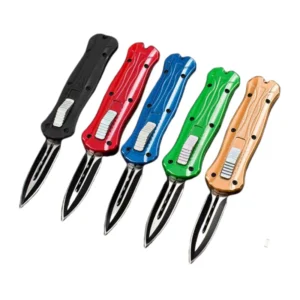
For retail store buyers and distributors, it is smart to compare how different models respond to sharpening and how clearly the product can be explained to end users. Customers often appreciate knives that are easy to maintain, especially if they are buying for everyday carry, outdoor use, or practical household tasks. If you source folding knives for resale, you may also want to review packaging, product consistency, and after-sale support. For a closer look at folding options, see our OTF and automatic knife wholesale category.
When to replace instead of sharpen
Most pocket knives can be restored many times, but there are cases where replacement makes more sense. If the blade has deep chips, severe corrosion, a bent tip, or damage near the pivot that affects safety, sharpening alone may not solve the problem. Low-quality knives may also lose edge life so quickly that replacement is more practical than repeated repair.
For businesses, this is where product quality matters. Customers judge a knife by how long it stays usable and how easily it can be maintained. Reliable materials and consistent manufacturing reduce returns and improve satisfaction.
FAQ
How often should I sharpen a pocket knife?
That depends on use. A knife used daily may need touch-ups every few weeks, while a lightly used knife may only need sharpening a few times a year. It is better to maintain the edge regularly than wait until it is completely dull.
Can I sharpen a pocket knife without a stone?
Yes. A ceramic rod or guided sharpener can work well, especially for maintenance. A stone is still the most versatile option if you want to repair dull edges and refine them properly.
What angle is best for sharpening?
Many pocket knives sharpen well around 15 to 20 degrees per side, but the ideal angle depends on the blade design and steel. If you are unsure, follow the maker’s general guidance when available and keep the angle consistent.
Why does my knife still feel dull after sharpening?
You may need more passes on the coarse grit, a more consistent angle, or a finer finishing step. Sometimes the blade needs cleaning or the issue is edge damage rather than simple dullness.
Is it worth learning to sharpen at home?
Yes. Home sharpening saves money, extends knife life, and helps you understand the quality of the blades you use or sell. For buyers and resellers, it also provides a better way to evaluate product performance before placing larger orders. If you are sourcing knives for your store or distribution business, you can also send a wholesale inquiry to discuss options that fit your market.
With a steady hand, the right tool, and a little patience, sharpening a pocket knife at home is a practical skill that pays off quickly. It keeps everyday carry knives useful, helps retailers answer customer questions with confidence, and gives buyers a better sense of which models are built for real-world maintenance.