
Short answer
Learn when carrying a knife may be legal or illegal, what factors matter by location, and what retail and wholesale buyers should check before stocking or selli
In this article
- 01 What usually determines whether carrying a knife is legal
- 02 Why the same knife can be legal in one place and restricted in another
- 03 Common knife types and why they matter
- 04 Folding knives
- 05 Fixed-blade knives
- 06 Automatic or OTF knives
- 07 Where people most often run into trouble
- 08 Practical buying criteria for retailers and wholesale customers
- 09 Mistakes to avoid when carrying or selling knives
- 10 How to stay on the safe and lawful side
- 11 FAQ
- 12 Is carrying a knife illegal everywhere?
- 13 Is carrying a folding knife usually allowed?
- 14 Can I carry a knife in my car?
- 15 Are automatic or OTF knives illegal to own?
- 16 What should wholesale buyers ask before ordering knife inventory?
Carrying a knife is not automatically illegal, but it can become unlawful depending on the knife type, blade length, how it is carried, where you are, and what you plan to do with it. The safest answer is to check your local and state or provincial rules before carrying any knife in public, because knife laws vary widely and can change without much notice.
What usually determines whether carrying a knife is legal
Most knife laws are based on a mix of practical details rather than one simple yes-or-no rule. A small folding knife carried as a tool may be treated very differently from a large blade carried concealed in a restricted place. In many areas, the following factors matter:
- Knife type: Folding knives, fixed blades, automatic knives, and assisted-opening knives may be regulated differently.
- Blade length: Some places set blade-length limits for public carry.
- Carry method: Open carry and concealed carry may be treated differently.
- Location: Schools, government buildings, airports, stadiums, and certain private businesses often have stricter rules.
- Purpose: Carrying for work, camping, fishing, or utility use may be viewed differently than carrying for self-defense or intimidation.
If you are a shopper, retailer, or distributor, it helps to think of knife legality as a local compliance issue, not a universal product feature. A knife that is legal to sell may still be restricted to carry in some jurisdictions.
Why the same knife can be legal in one place and restricted in another
Knife law is often built from a combination of state, county, and city rules, plus rules for specific properties. That means a pocket knife that is fine for everyday work in one town might not be allowed in a neighboring city or on a school campus. Some places focus on blade length, while others focus on the opening mechanism or whether the knife is carried concealed.
For example, a customer might legally buy an automatic knife for collection or lawful use, but still be restricted from carrying it in public depending on local law. That is why wholesale buyers and retail stores should avoid assuming that a product category is equally usable everywhere. If you stock knives for resale, it is smart to know how the products are typically described and where customers are likely to face restrictions.
Common knife types and why they matter
Different knife styles can trigger different rules. Buyers often ask about this when choosing inventory for a retail store, online shop, or distribution channel.
Folding knives
Folding knives are often treated as everyday tools, especially when they are compact and clearly intended for utility use. However, some local laws still limit concealed carry or blade length.
Fixed-blade knives
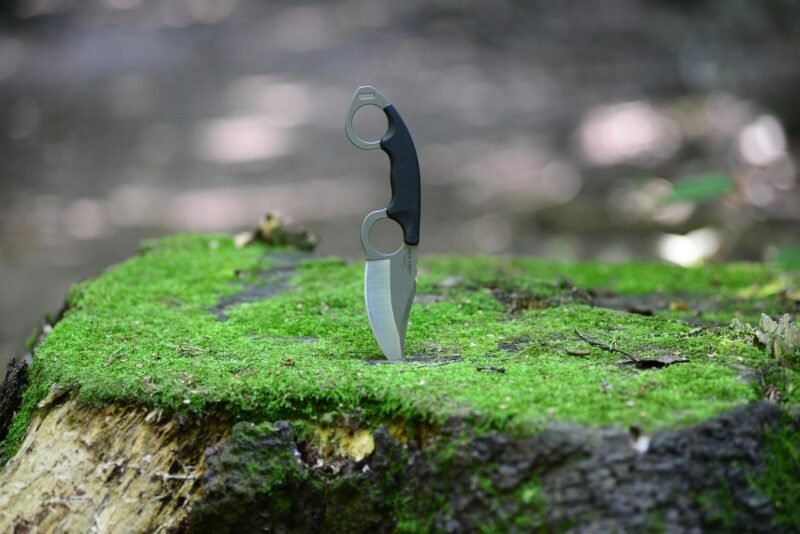
Fixed blades can be more heavily regulated in public carry because they are not foldable and may be seen as more openly weapon-like. In some areas, sheath carry is allowed; in others, it is restricted or prohibited in certain locations.
Automatic or OTF knives
Automatic and out-the-front designs can face special restrictions in some jurisdictions. These products are often popular with collectors and buyers looking for fast-deploying mechanisms, but they are not a one-size-fits-all carry choice. Retailers should be careful to present them as items that require local-law review. If you are sourcing inventory, you can review the OTF and automatic knife wholesale category for product variety while keeping compliance in mind.
Where people most often run into trouble
Many legal problems happen not because someone owns a knife, but because they carry it in the wrong place or in the wrong way. Some common trouble spots include:
- Airports and travel hubs: Security rules are strict and can differ from ordinary public carry laws.
- Schools and universities: These locations often have some of the tightest restrictions.
- Government buildings: Courthouses and administrative buildings may prohibit knives entirely.
- Private property: Stores, event venues, and workplaces can set their own policies.
- Vehicles: Some places treat a knife in a car differently from a knife on your person, especially if it is concealed or readily accessible.
Even when the law allows possession, a property owner may still ask someone to leave or surrender the item before entering. For shoppers and B2B buyers, this is a good reminder that lawful ownership and lawful carry are not the same thing.
Practical buying criteria for retailers and wholesale customers
If you buy knives for resale or store inventory, it helps to choose products that are easier for customers to understand and use responsibly. Consider these points before placing a wholesale order:
- Clear product descriptions: Make sure the blade type, opening style, and general use case are easy to explain.
- Customer audience: A hardware store customer may want a simple utility folder, while a collector may want a specialty piece.
- Local market rules: Know whether your target area has common blade-length or carry restrictions.
- Return and support expectations: Customers may ask whether a knife is legal where they live, so your staff should avoid making blanket claims.
- Storage and display: Secure display and controlled access help reduce theft and improve store safety.
Wholesale buyers who want flexible inventory often look for broad-use products that appeal to multiple customer types. If you are comparing supply options, you can also submit a wholesale inquiry to discuss product categories, order volume, and customer needs.
Mistakes to avoid when carrying or selling knives
People often get into trouble by relying on assumptions instead of checking the rules. Some of the most common mistakes include:
- Assuming a knife is legal everywhere because it was purchased legally.
- Ignoring local rules on concealed carry or blade length.
- Carrying a knife into restricted buildings without checking posted policies.
- Buying inventory without understanding how the product is described in the target market.
- Using vague or exaggerated product claims that may mislead customers.
Another common mistake is treating all knife laws as if they are identical from one state to the next. They are not. A responsible buyer or seller should verify the rules where the knife will be carried, stored, or resold.
How to stay on the safe and lawful side
The most practical approach is simple: buy a knife for a legitimate purpose, understand where it will be used, and check the rules before carrying it in public. If you are a consumer, that may mean reading local statutes or asking a qualified legal professional when something is unclear. If you are a retailer or distributor, it means training staff to avoid legal promises and encouraging customers to verify their own local rules.
Good habits also help:
- Carry only what you need for the task at hand.
- Keep knives secured when not in use.
- Avoid carrying in restricted places unless you have confirmed permission.
- Store products responsibly in the home, shop, or warehouse.
- Use age-appropriate sales practices and follow all applicable business regulations.
FAQ
Is carrying a knife illegal everywhere?
No. In many places, carrying certain knives is legal, especially for ordinary utility purposes. But restrictions can apply based on blade length, knife style, carry method, and location. Always verify local rules.
Is carrying a folding knife usually allowed?
Often yes, but not always. Some locations still limit concealed carry, blade length, or specific opening mechanisms. A folding knife is not automatically legal in every setting.
Can I carry a knife in my car?
Sometimes, but vehicle carry rules can differ from carry on foot. The knife may need to be stored in a certain way, or it may be restricted if concealed or easily accessible. Check the rules where you drive.
Are automatic or OTF knives illegal to own?
Not necessarily. Ownership and carry rules are separate issues, and both can vary by location. Some places regulate these knives more strictly than ordinary folders, so buyers should confirm local compliance before carrying or reselling them.
What should wholesale buyers ask before ordering knife inventory?
Ask about product type, blade style, common restrictions, packaging, and how the knives are typically positioned for resale. It is also wise to confirm that your sales channels and target markets can legally receive and display the products.
In short, carrying a knife is not automatically illegal, but legality depends on where you are, what knife you have, and how you carry it. For anyone buying, selling, or stocking knives, the best practice is to match the product to the market and verify local rules before use or resale.