

What Is a Stiletto Knife? A Clear Guide for Buyers and Resellers

Short answer
Learn what a stiletto knife is, how it differs from other knives, what buyers should look for, and how to source stiletto-style knives responsibly in wholesale.
In this article
- 01 What makes a stiletto knife different?
- 02 How the stiletto design became popular
- 03 Stiletto knife vs. other knife styles
- 04 What shoppers usually look for in a stiletto knife
- 05 Common mistakes buyers make
- 06 Safety, storage, and lawful use
- 07 Why stiletto knives appeal to retailers and resellers
- 08 Practical FAQ
- 09 Is a stiletto knife the same as an automatic knife?
- 10 Are stiletto knives good for everyday carry?
- 11 What should I check before buying wholesale?
- 12 Why do some customers prefer stilettos over other knives?
- 13 How do I display them in a retail setting?
- 14 Final thoughts
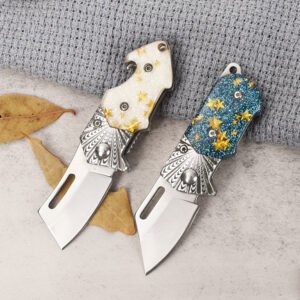
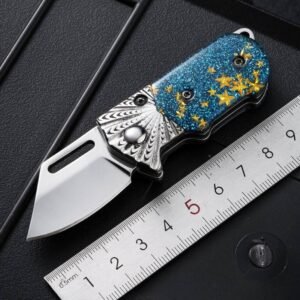
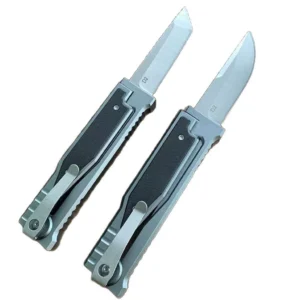
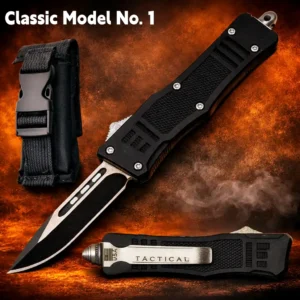
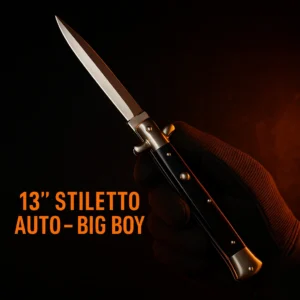
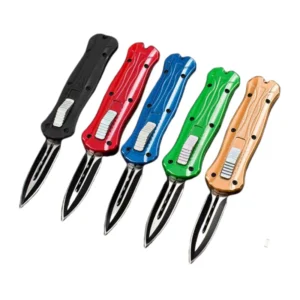
A stiletto knife is a slender, pointed knife designed with a narrow blade and a slim profile, usually built for quick handling, easy carry, and a distinctive look. In modern knife buying, the term often refers to a style rather than one exact mechanism, so shoppers may see fixed-blade and folding versions, plus automatic or OTF-inspired models that borrow the same sleek profile. For retailers, resellers, and wholesale buyers, understanding the difference helps you choose products customers actually want and avoid confusion at the counter.
What makes a stiletto knife different?
The classic stiletto shape is defined by a long, thin blade that tapers to a sharp point. Historically, stilettos were associated with piercing rather than heavy cutting. Today, the style is more about the silhouette and feel: slim handle, narrow blade, and a fast, compact carry profile. Many buyers are drawn to the clean lines and pocket-friendly size, while others like the traditional look that stands out from broader everyday carry knives.
Compared with a utility folder or outdoor knife, a stiletto usually has less blade width and a more refined tip. That means it is often better suited to light precision tasks, package opening, and general collection appeal than to hard-use chopping or prying. If you are stocking inventory, that distinction matters because customers shopping for style and speed often have different expectations than buyers looking for a rugged work knife.
How the stiletto design became popular
Stiletto knives have a long history in European knife design, especially in regions where slim blades were valued for concealability and quick access. Over time, the shape became iconic in both classic and modern knife culture. In the U.S. market, the style is often linked with automatic folders and switchblade-inspired designs, though not every stiletto is automatic.
That legacy still influences demand today. Some customers want a traditional-looking knife with a narrow blade and polished hardware. Others want a modern version with assisted opening, automatic action, or an OTF-style format. Because the style has such a recognizable identity, it can perform well in both display cases and online listings when described accurately.
Stiletto knife vs. other knife styles
Buyers often compare stilettos with other popular knife categories, and the differences are worth knowing before placing a wholesale order.
- Stiletto vs. tanto: A tanto blade has a reinforced point and angular geometry. A stiletto has a thinner, more tapered point and a slimmer profile.
- Stiletto vs. drop point: Drop points are more versatile for everyday cutting and utility work. Stilettos are usually chosen more for style and precision.
- Stiletto vs. dagger: Both can have pointed, symmetrical looks, but daggers are typically designed with a more aggressive double-edge profile where allowed by law. Stilettos are often single-edged or stylized for everyday carry appeal.
- Stiletto vs. OTF knife: OTF knives deploy straight out of the front, while a stiletto describes blade shape and overall style. Some OTF models use a stiletto-like blade profile.
If you are building a product mix for a store or online catalog, this is where a lot of confusion happens. Customers may ask for a stiletto when they really want an automatic knife with a slim blade, or they may want a traditional folder with a classic profile. Clear product descriptions reduce returns and improve buyer confidence.
What shoppers usually look for in a stiletto knife
Different customers prioritize different features, but a few buying factors come up again and again.
- Blade length: Shorter models are easier to carry and display, while longer blades may appeal to collectors or customers who want a more dramatic profile.
- Blade material: Stainless steel is popular for corrosion resistance and lower maintenance. Higher-grade steels may improve edge retention, but they can also raise cost.
- Handle construction: Aluminum, stainless steel, and composite handles each create a different feel. A slim handle should still feel secure in hand.
- Opening mechanism: Manual, assisted, automatic, and OTF-style options each attract different buyers. Make sure the mechanism matches the customer’s expectations and local rules.
- Locking system: A secure lock is important for everyday handling and customer confidence.
- Finish and presentation: Many stiletto buyers care about appearance, including polished blades, textured handles, and compact pocket clips.
For wholesale sourcing, consistency matters as much as style. Retailers need models that arrive with even fit and finish, smooth action, and packaging that looks clean on shelf or in online photos. A knife that looks great in a catalog but feels loose in hand can hurt repeat sales.
Common mistakes buyers make
One of the most common mistakes is assuming every slim, pointed knife is a stiletto. In practice, many designs borrow elements of the style without being true stilettos. Another mistake is focusing only on appearance and ignoring the opening mechanism, lock type, or local restrictions.
Wholesale buyers also sometimes over-order a style without confirming whether their customer base wants traditional folders, collector pieces, or modern automatic options. A better approach is to test a few variations: classic-looking manual models, upgraded metal-handle versions, and compact automatic or OTF-inspired pieces where appropriate. That gives you a clearer read on what actually moves in your market.
It is also wise to avoid vague product labeling. If a knife is stiletto-style but not a true stiletto, say so clearly. If it is an automatic or front-opening model, describe it accurately. Clear language helps reduce disputes and makes your storefront look more trustworthy.
Safety, storage, and lawful use
Stiletto knives should be treated like any other sharp tool: stored securely, handled carefully, and used responsibly. Keep blades out of reach of children, use a sheath or pocket clip when appropriate, and inspect locking mechanisms regularly. For retail buyers and distributors, including safety guidance with packaging or product inserts can improve customer satisfaction and reduce misuse.
Because knife laws vary widely by location, buyers should verify local rules before purchasing, carrying, or reselling automatic, assisted-opening, or certain blade styles. General information is not a substitute for local legal advice. If you sell across multiple states or countries, it helps to build a compliance checklist before listing products online.
Why stiletto knives appeal to retailers and resellers
Stiletto knives have strong shelf appeal because they are easy to recognize and often photograph well. The slim profile stands out in product grids, and the design naturally attracts collectors, casual buyers, and customers looking for a giftable knife. That makes them a useful category for stores that want a mix of entry-level and premium-looking items.
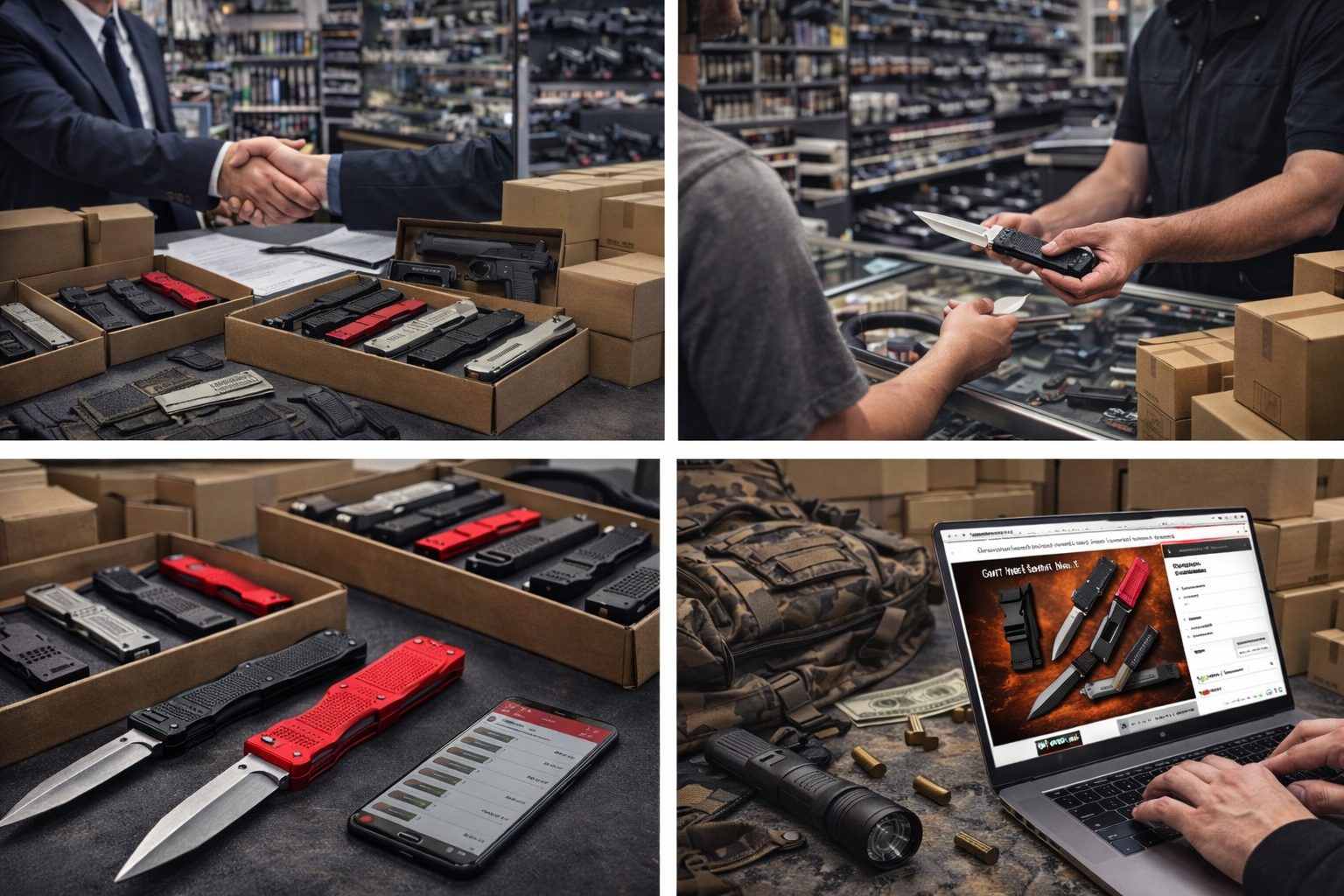
For wholesale buyers, the best stiletto-style products are the ones that balance visual appeal with dependable function. Look for smooth deployment, solid fit, clean blade grind, and packaging that protects the knife in transit. If you are sourcing for a shop, flea market booth, online store, or distributor network, a consistent assortment can help you serve both impulse buyers and repeat customers.
Many buyers also pair this category with broader automatic and front-opening inventory. If that fits your catalog, you can review OTF and automatic knife wholesale options to compare styles and broaden your selection.
Practical FAQ
Is a stiletto knife the same as an automatic knife?
Not always. A stiletto describes the blade shape and overall style, while automatic refers to the opening mechanism. Some stilettos are automatic, but many are not.
Are stiletto knives good for everyday carry?
They can be, depending on the model and local rules. Many people like them for their slim size and easy pocket carry, but they are usually better for light cutting tasks than heavy-duty work.
What should I check before buying wholesale?
Look at blade quality, lock strength, handle materials, opening action, packaging, and consistency across units. Also confirm any compliance details relevant to your market before listing or distributing them.
Why do some customers prefer stilettos over other knives?
Style is a major factor. Buyers often like the classic look, narrow profile, and collectible feel. Others choose them because they want a knife that is compact and visually distinct from standard utility folders.
How do I display them in a retail setting?
Use clear labeling, show the blade style and opening type, and include basic handling and storage notes. Customers are more likely to buy when they understand exactly what they are getting.
Final thoughts
A stiletto knife is best understood as a slim, pointed knife style with a long history and strong modern appeal. For shoppers, it offers a distinctive look and compact carry profile. For retailers and wholesale buyers, it can be a solid category when the products are described clearly, sourced carefully, and matched to customer expectations. If you focus on quality, clarity, and responsible selling, stiletto-style knives can be a reliable part of a well-rounded knife assortment.