

How to Sharpen a Folding Knife Safely and Effectively


Short answer
Learn how to sharpen a folding knife with the right angle, tools, and technique. Get practical tips, common mistakes to avoid, and buyer considerations for reta
Key Takeaways
- Knife rules can vary by state, city, blade style, opening mechanism, carry method, and intended use.
- Do not treat a product nickname as a legal category; check the actual features and local rule.
- Retailers should keep legal or safety language factual and avoid promising that one item is allowed everywhere.
Terms Used Here
- OTF
- Out-the-front; a knife design where the blade moves forward from the front of the handle.
- Automatic knife
- A knife that opens by a spring-driven mechanism after the user activates a button, switch, or slider.
- Pocket knife
- A compact knife intended for pocket carry, often with a folding blade.
- Folding knife
- A knife with a blade that pivots into the handle for storage.
- EDC
- Everyday carry; gear intended for regular daily tasks.
In this article
- 01 What makes a folding knife different to sharpen?
- 02 Before you sharpen, inspect the knife
- 03 The simplest way to sharpen a folding knife
- 04 Step 1: Choose the right angle
- 05 Step 2: Use steady, light strokes
- 06 Step 3: Work both sides evenly
- 07 Step 4: Finish and test safely
- 08 Useful tools for sharpening folding knives
- 09 Common mistakes to avoid
- 10 How often should a folding knife be sharpened?
- 11 What buyers should look for in a folding knife
- 12 Safety and responsible ownership matter
- 13 Quick FAQ about sharpening folding knives
- 14 Can I sharpen a folding knife with a pocket sharpener?
- 15 Should I oil the blade after sharpening?
- 16 How do I know when the knife is sharp enough?
- 17 Do all folding knives use the same sharpening angle?
- 18 Is a folding knife hard to maintain for new users?
- 19 Where wholesale buyers can fit sharpening into product planning
If you want to sharpen a folding knife properly, start by cleaning the blade, choosing a consistent sharpening angle, and using light, controlled strokes on a whetstone, sharpening rod, or guided system until the edge is even and responsive. A folding knife usually sharpens like any other pocket knife, but the hinge, blade shape, and steel type can affect how much pressure and patience you need.
What makes a folding knife different to sharpen?
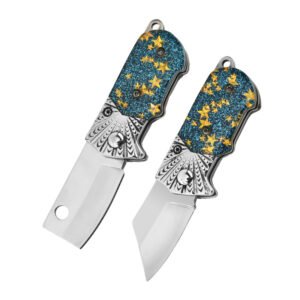
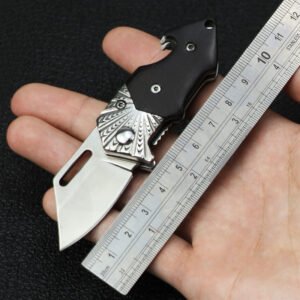
Most folding knives are compact, everyday carry tools, but their smaller blades and varied edge shapes can make sharpening feel more delicate than sharpening a kitchen knife. The good news is that the process is straightforward once you understand the basics. A folding knife may have a drop point, tanto, spear point, or sheepsfoot blade, and each profile can require slightly different attention near the tip or belly of the edge.
The blade steel also matters. Softer steels can be easier to restore quickly, while harder premium steels may hold an edge longer but take more time to sharpen. For retailers and wholesale buyers, this is worth considering because customers often judge a knife by how easy it is to maintain, not just by how sharp it is out of the box.
Before you sharpen, inspect the knife
Take a moment to check the blade condition before you begin. A dull edge is one thing; a damaged edge is another. Look for chips, rolled spots, rust, or uneven wear. If the knife has a liner lock or frame lock, make sure the blade is fully open and stable before any sharpening work begins. Clean off lint, oil, or pocket debris so grit does not get dragged across the edge.
It also helps to know whether the knife has a factory edge or a previously altered edge. If a blade has been sharpened at different angles over time, you may need to spend extra effort re-establishing a consistent bevel.
The simplest way to sharpen a folding knife
For most users, the easiest method is a guided sharpener or a quality whetstone. Guided systems help keep the angle steady, which is useful for beginners and for customers who want repeatable results. Whetstones offer more control and can produce a refined edge, but they require practice.
Step 1: Choose the right angle
Many folding knives perform well at a sharpening angle around 15 to 20 degrees per side, though the ideal angle depends on the blade design and intended use. A lower angle can feel sharper for slicing, while a slightly higher angle may better support heavier everyday tasks. If you are unsure, match the factory angle as closely as possible.
Step 2: Use steady, light strokes
Place the blade against the stone or sharpener and move it smoothly from base to tip. Keep the angle consistent and avoid pressing too hard. Let the abrasive do the work. Heavy pressure can remove too much metal, make the edge uneven, or create a wire edge that folds over quickly.
Step 3: Work both sides evenly
Sharpen one side until you can feel a slight burr, then repeat on the other side. The burr is a small edge of metal that tells you the stone has reached the apex of the blade. Once both sides are sharpened, use lighter strokes to remove the burr and refine the edge.
Step 4: Finish and test safely
After sharpening, wipe the blade clean and test it on a soft, appropriate material such as paper or a similar harmless medium. Do not run your finger along the edge. If the knife still feels uneven, return to the stone for a few more controlled passes.
Useful tools for sharpening folding knives
Different users prefer different tools, and the best choice often depends on experience level, knife type, and how many blades need maintenance. For a single personal knife, a compact sharpener may be enough. For a store, distributor, or reseller evaluating inventory, it helps to know which sharpening systems customers are most likely to use.
- Whetstones: Best for control and edge refinement, especially for users comfortable with technique.
- Guided sharpening systems: Helpful for consistency and for people who want predictable results.
- Ceramic rods: Good for quick touch-ups between full sharpenings.
- Portable sharpeners: Convenient for EDC users, though they may remove more material if used aggressively.
When sourcing knives for resale or wholesale, consider whether the steel and edge geometry are beginner-friendly. Buyers often appreciate a knife that sharpens easily and responds well to standard tools.
Common mistakes to avoid
Many sharpening problems come from rushing. A folding knife does not need force; it needs consistency. Here are the most common mistakes that lead to poor results:
- Changing angles mid-stroke: This creates a rounded or uneven edge.
- Using too much pressure: It can damage the edge and reduce control.
- Ignoring one side of the blade: Uneven sharpening leads to poor cutting performance.
- Skipping cleaning: Dirt and grit can scratch the blade and stone.
- Over-sharpening: Removing too much steel shortens the life of the blade.
Another mistake is assuming every folding knife should be sharpened the same way. A compact utility blade, a tactical-style folder, and a fine EDC slicer may all benefit from slightly different edge maintenance routines.
How often should a folding knife be sharpened?
There is no fixed schedule. A knife used daily for boxes, cord, packaging, or light utility tasks may need touch-ups more often than a knife used occasionally. Rather than waiting until the blade is completely dull, sharpen when cutting starts to feel less clean or when the knife requires noticeably more pressure.
Many owners maintain the edge with quick touch-ups and only do a full sharpening when the blade has lost its shape or cutting performance. For wholesale and retail buyers, this is a useful selling point: customers are often happier with a knife that stays easy to maintain over time than with one that only looks sharp on day one.
What buyers should look for in a folding knife
If you are buying folding knives for a store, online shop, or distribution channel, sharpening performance should be part of your purchasing criteria. A knife that is difficult to maintain can lead to complaints, returns, or poor reviews. Look for models with:
- a blade steel suited to the target customer’s experience level
- a practical edge angle that can be maintained with standard tools
- consistent factory finishing
- good lockup and safe opening/closing action
- clear product details that help customers understand care requirements
For many B2B buyers, the most successful products are the ones that balance appearance, durability, and ease of maintenance. If you are expanding a knife lineup, it can help to compare options in the OTF and automatic knife wholesale category alongside your folding knife assortment, especially when you want a broader everyday carry selection for different customer segments.
Safety and responsible ownership matter
Always sharpen in a stable, well-lit area and keep fingers clear of the edge. Close the knife only after the blade is fully dry and clean. Store it safely, away from children, and follow local rules about carrying, ownership, and use, since requirements can vary by location. If you sell knives, it is also wise to provide clear care and safety guidance with each order.
Responsible ownership includes regular maintenance, proper storage, and using the knife only for lawful purposes. Good care not only improves performance but also extends the useful life of the blade.
Quick FAQ about sharpening folding knives
Can I sharpen a folding knife with a pocket sharpener?
Yes, many folding knives can be maintained with a pocket sharpener, especially for light touch-ups. For a more refined edge, a stone or guided system usually gives better control.
Should I oil the blade after sharpening?
A light protective oil or rust inhibitor may help on certain steels, especially if the knife will be stored for a while. Use products appropriate for the blade material and avoid overapplying.
How do I know when the knife is sharp enough?
The blade should cut cleanly without needing extra force. If it catches, tears, or feels inconsistent, it likely needs a bit more refining.
Do all folding knives use the same sharpening angle?
No. The best angle depends on the blade geometry, steel, and intended use. Matching the existing bevel is usually the safest approach.
Is a folding knife hard to maintain for new users?
Not usually. With a simple sharpener, a steady hand, and patience, most users can maintain a folding knife successfully. Retailers and wholesalers often do well with products that come with clear care instructions.
Where wholesale buyers can fit sharpening into product planning
If you are stocking knives for customers, sharpening ease can influence repeat sales. Buyers often ask whether a knife is easy to maintain, how long the edge lasts, and whether the steel matches the price point. That makes edge quality and maintenance a real part of product selection, not just a post-sale concern. For wholesale inquiries or to discuss product lines that fit your market, you can use the wholesale inquiry form.
In the end, learning how to sharpen a folding knife is mostly about control, patience, and matching the right tool to the blade. Once the angle is consistent and the strokes are light, a folding knife can return to clean, reliable cutting with very little drama.