




Can I Mix OTF Knife Models in One Wholesale Order?

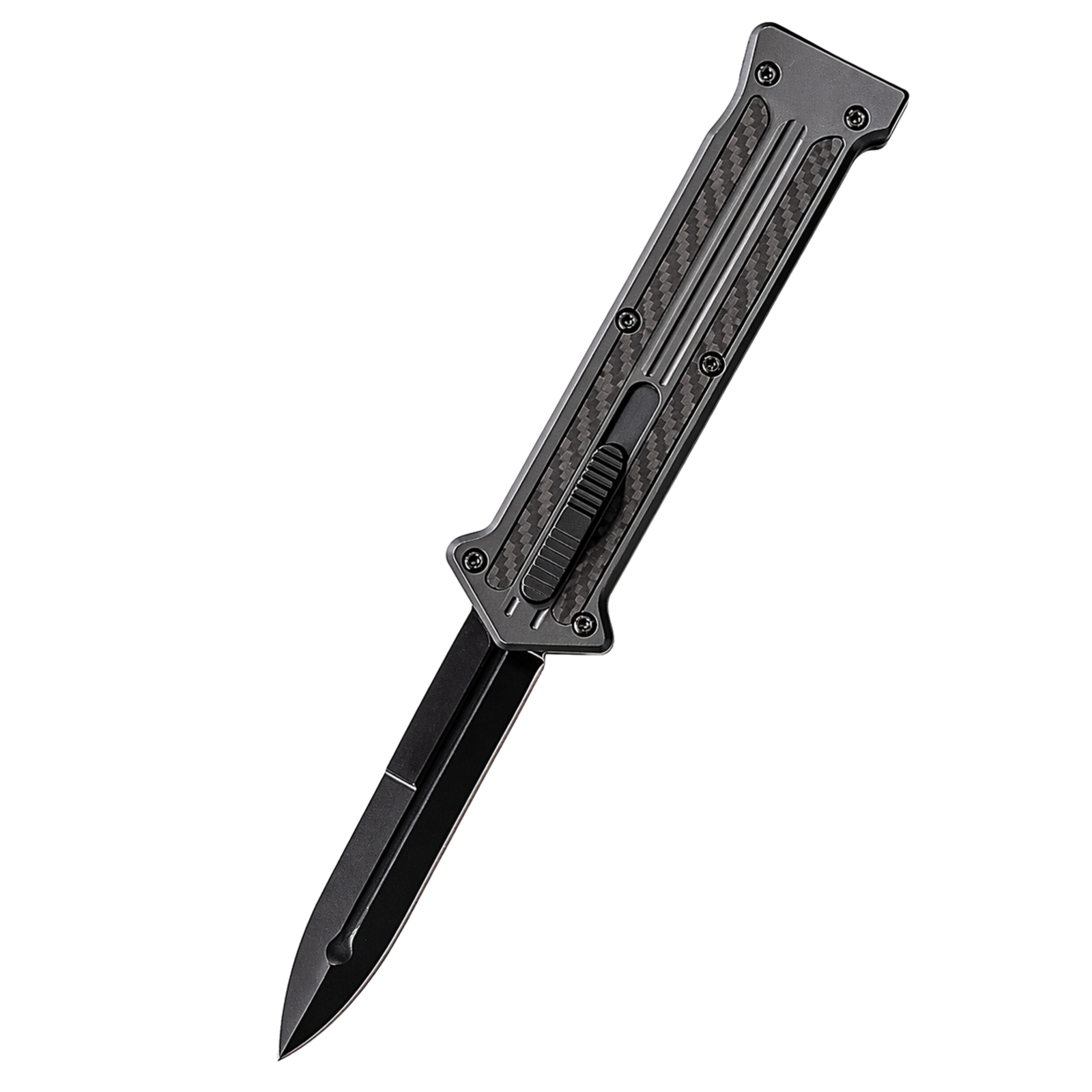
Yes, mixed-model OTF wholesale orders are often allowed, but approval depends on total MOQ, per-SKU minimums, packaging, and whether the order is stock or private label. In our wholesale program, the practical answer is usually yes for stock items, but not every SKU combination will qualify under the same quote.
Why: mixed orders are approved based on the quoted SKU split, carton packing, stock status, and any branding requirements, not by a blanket catalog-wide promise. You can review available styles in the wholesale OTF knife catalog and confirm the exact split for your order through the OTF bulk inquiry form.
When you can mix models
Mixed-model orders usually work best when you are buying standard stock OTF knives with normal packaging and no custom logo or box changes. In that situation, the order can often be approved as long as the total quantity is large enough and each selected SKU still meets the minimum count required for picking, packing, and QC.
In practice, mixed orders are most likely to be accepted when:
- All selected models are currently in stock or available in the same production window.
- The quote uses a total order MOQ with a manageable per-SKU floor.
- The models use the same or compatible retail boxes and master cartons.
- You are ordering standard finishes and standard accessories.
- The shipment can move under one lead time without waiting on a custom step.
Concrete examples help more than general rules:
- Example 1: stock assortment order. A buyer wants 120 units total across three in-stock SKUs. If those SKUs share the same carton format, the order may be approved as 40 / 40 / 40 under one shipment.
- Example 2: broader test order. A retailer wants 200 units total across four stock models. The quote may allow 50 / 50 / 50 / 50 if each SKU meets the minimum handling quantity and all four can be packed without special relabeling.
- Example 3: color variants with the same base model. A distributor wants one model in black, stonewashed, and satin. A split such as 60 / 30 / 30 may be easier to approve than mixing four unrelated models, because the packaging and parts are more standardized.
For many first-time wholesale buyers, mixing models is useful because it reduces the risk of overcommitting to one design before real sell-through data is available. It can also help you test different blade shapes, handle sizes, and finish levels in one inbound shipment.
Directly stated:
- The catalog shows the OTF models available for wholesale review.
- The inquiry process is where MOQ, packaging, stock status, and branding details are confirmed for the actual quote.
Inferred:
- If several stock SKUs are available at the same time and fit the same packing plan, a mixed order is more likely to be approved.
- If the quote includes a total MOQ plus a smaller per-SKU minimum, buyers usually have more flexibility to build an assortment.
When you usually cannot
Mixed-model orders are usually restricted or declined when the order moves from a simple stock purchase into a more complex production job. The main issue is not the number of models by itself; it is the added setup, packaging, and QC complexity created by each extra SKU.
You will usually have less flexibility to mix models when:
- The MOQ applies per SKU, not per total order.
- You want private label, laser logo marking, custom inserts, or printed boxes.
- The selected models use different cartons, different accessories, or different labeling formats.
- One SKU is in stock but another requires new production or a longer finish process.
- The order includes exclusive colors, special coatings, or model-specific packaging.
Here are two realistic cases where mixing often becomes difficult:
- Example 4: private-label split. A buyer wants 200 total units across two models with a custom blade logo and a branded box. Even if 200 units is enough for a stock order, the supplier may require 100 units per SKU plus a separate logo or packaging MOQ before approving the job.
- Example 5: mixed stock and custom order. A buyer wants 80 units of one ready-stock model and 40 units of another model with a new finish. That may not ship as one simple order because the second SKU changes the lead time and QC process for the whole shipment.
A common mistake is assuming that a total MOQ means completely free mixing. It often does not. A quote may still require a minimum quantity per model, per color, or per carton layer. Another common mistake is mixing too many slow-moving variants on the first order. A 5-SKU assortment can look efficient on paper but create receiving errors, weak inventory turns, and harder reordering later.
Source basis
- Document/policy name: Wholesale OTF knife catalog — /catalog/auto-otf-knife/
- Document/policy name: OTF bulk inquiry form — /wholesale-inquiry/
These pages support what can be reviewed and how quote terms are confirmed, but they do not publish a universal written rule that every model can always be mixed. Because of that, the safe policy answer is conditional: mixed orders are often possible, but approval depends on the quote details for the specific SKUs you choose.
What to confirm before payment
Before paying for a mixed-model order, get the commercial details confirmed in writing. This is the step that prevents most disputes about MOQ, packing, and lead time.
- Total MOQ: What is the minimum for the full order?
- Per-SKU minimum: What is the minimum quantity for each model, color, or finish?
- Stock status: Are all selected SKUs ready now, or are some made to order?
- Packaging: Do all models use the same retail box, inner pack, and master carton?
- Lead time: Will all SKUs ship together, and if so, does the whole order wait for the slowest item?
- Branding: If you want a logo or custom box, what separate MOQ applies to each step?
- QC scope: Will each SKU be checked for deployment, retraction, finish consistency, and count accuracy before shipment?
- Carton breakdown: Ask for the exact unit count per carton so your receiving team knows what to expect.
If you are placing a first order, the safest structure is usually a small assortment of stock models with similar packaging and no custom branding. That keeps the quote simple and makes it easier to compare sales performance by SKU after delivery. Once you know which models move well, later orders can become more standardized.
Short FAQ
Do mixed-model orders cost more?
Sometimes. Unit pricing may stay close to a standard stock quote, but extra sorting, repacking, or carton inefficiency can raise the real delivered cost.
Can I mix private-label OTF models in one order?
Sometimes, but private-label orders usually have stricter per-SKU and logo minimums than stock orders.
What is the safest first mixed order?
A stock order with a limited number of SKUs, clear per-model counts, standard packaging, and all terms confirmed through the quote before payment.