
Short answer
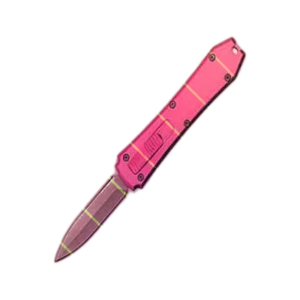
Based on our recent U.S. wholesale reorder history, mid-size double-edge dagger OTF models showed the highest repeat order rate. See the scope, method, comparis
Key Takeaways
- Knife rules can vary by state, city, blade style, opening mechanism, carry method, and intended use.
- Do not treat a product nickname as a legal category; check the actual features and local rule.
- Retailers should keep legal or safety language factual and avoid promising that one item is allowed everywhere.
Terms Used Here
- OTF
- Out-the-front; a knife design where the blade moves forward from the front of the handle.
- Automatic knife
- A knife that opens by a spring-driven mechanism after the user activates a button, switch, or slider.
- EDC
- Everyday carry; gear intended for regular daily tasks.
In this article
- 01 Short answer with scope and caveats
- 02 How we measured repeat order rate
- 03 Reorder performance by style
- 04 Why mid-size dagger OTFs reordered most often
- 05 1. Familiar profile reduced sales friction
- 06 2. Mid-size dimensions fit more stores
- 07 3. Stable chassis made reordering safer
- 08 4. Variant expansion was simple
- 09 Two anonymized reorder patterns from wholesale accounts
- 10 Example 1: mixed independent dealer group
- 11 Example 2: private-label test assortment
- 12 When another style may beat the dagger
- 13 Best for this buyer: wholesalers serving mixed retail accounts
- 14 What to verify with the supplier before committing to a reorderable style
- 15 Common opening-order mistakes that reduce repeat orders
- 16 FAQ
- 17 What does repeat order rate mean here?
- 18 Is the dagger style always the best wholesale choice?
- 19 What size OTF tends to reorder most cleanly?
- 20 Does blade steel drive repeat orders more than style?
Based on our reorder history across 84 U.S. wholesale accounts over the last 18 months, mid-size double-edge dagger OTF models had the highest repeat order rate. In this article, repeat order rate means the share of opening-order SKUs that received at least one follow-up wholesale purchase from the same account within 180 days.
This is a qualified finding, not a universal rule for every market. The scope here is U.S. wholesale buyers only, across mixed retail channels that can legally sell automatic knives, and the result reflects reorder behavior on comparable double-action OTF platforms rather than every OTF product on the market.
Short answer with scope and caveats
In our sample, mid-size dagger OTFs reordered more often than tanto, mini, oversized, and most specialty configurations. The practical reason was not that they were “better” in the abstract. They created the most consistent replenishment pattern across different dealer types because they combined familiar OTF styling, manageable size, stable pricing bands, and easier variant expansion.
That said, the result changed by account type. Utility-focused dealers were more likely to reorder single-edge profiles, and stores in tighter legal or cultural markets often stayed away from more aggressive-looking blade shapes altogether. So the best reading is: for broad U.S. wholesale sell-through, a mid-size dagger OTF was our strongest repeat-order style; for niche customer bases, another style may outperform it.
How we measured repeat order rate
To make the claim usable, here is the method in plain language:
- Accounts analyzed: 84 active U.S. wholesale accounts
- Period: last 18 months
- Products included: double-action OTF models sold in recurring wholesale programs
- What counted as a repeat: the same SKU family reordered by the same account within 180 days of the opening order
- What was compared: blade style and size class on broadly similar OTF platforms
- What was excluded: one-off closeouts, custom projects without reorder intent, and accounts with only test samples
This is operational reorder data, not a consumer survey. It shows what wholesale buyers bought again, which is more useful for procurement planning than a general popularity claim.
Reorder performance by style
| Style | Relative reorder performance | Why it reordered or slowed | Best fit |
|---|---|---|---|
| Mid-size double-edge dagger | Highest in our sample | Classic OTF look, broad shelf appeal, easy to extend into colors and finishes, consistent display size | Mixed retail accounts needing one core OTF SKU |
| Mid-size single-edge / bayonet | Strong, but below dagger overall | More practical appearance in some stores, but less iconic for buyers seeking the classic OTF profile | Utility-led dealers and mainstream EDC counters |
| Tanto OTF | Moderate and account-dependent | Works well in tactical-heavy channels, but appeal narrows outside that audience | Tactical retailers with known customer demand |
| Mini OTF | Lower repeat rate | Can sell quickly as a first-look or gift item, but perceived value and action feel matter more | Impulse-display programs, add-on sales |
| Oversized OTF | Lower repeat rate | Attention-grabbing, but fewer buyers want the size for pocket carry or mainstream display sets | Collector or novelty-oriented accounts |
| Rescue or specialty OTF | Lowest broad-market repeat rate | Reorders depend on a specific use case rather than general OTF demand | Niche channels with defined functional demand |
Why mid-size dagger OTFs reordered most often
1. Familiar profile reduced sales friction
Wholesale buyers reorder the styles their retailers can sell without extra explanation. The dagger profile matched what many end customers already expect an OTF to look like. That reduced the need for staff education and made online listing photos easier to convert.
Commercial reason: less explanation at the counter usually means faster sell-through and clearer replenishment decisions.
2. Mid-size dimensions fit more stores
The strongest reorder performers were generally in the practical middle: roughly a 3 to 3.5 inch blade range with a standard pocketable handle length. Minis often looked too light for the price band, while oversized models limited the buyer pool.
Commercial reason: mid-size models fit more display cases, more carry preferences, and more gift purchases.
3. Stable chassis made reordering safer
Accounts reorder platforms they trust. The mid-size dagger programs that repeated best were built on stable chassis with predictable switch travel, acceptable lockup, repeatable blade finish options, and no major packaging changes between runs.
Commercial reason: buyers are more willing to reorder when the next batch can match the first without reworking merchandising or handling extra defects.
4. Variant expansion was simple
The best-performing dagger programs usually started with one core body style, then expanded into black, gray, OD green, stonewash, or black-coated versions. The style supported multiple cosmetic variants without changing the product story.
Commercial reason: one base platform can produce several reorderable SKUs instead of forcing the buyer to test unrelated designs.
Two anonymized reorder patterns from wholesale accounts
Example 1: mixed independent dealer group
One wholesale account serving several independent storefronts opened with four OTF styles: a mid-size dagger, a tanto, a mini, and an oversized model. Within one selling cycle, the mid-size dagger was the only style reordered across all store locations. The tanto reordered in only the most tactical-leaning locations, while the mini and oversized models sold unevenly.
Why the dagger repeated: it fit the broadest customer mix, photographed cleanly for online listings, and gave the dealer a simple restock decision: same chassis, same price band, new finish options.
Example 2: private-label test assortment
Another account tested a private-label OTF line with one neutral-handle dagger chassis and one more aggressive specialty profile. The dagger platform received a follow-up order first because packaging, laser marking, and finish matching were easier to repeat consistently. The specialty profile drew attention but created more questions about audience fit.
Why the dagger repeated: the buyer could scale the same platform into two handle colors and a second blade finish without changing inserts, carton planning, or QC expectations.
When another style may beat the dagger
The dagger was the top reorder style in our sample, but not in every channel.
- Choose single-edge first if your accounts sell on utility language such as package opening, everyday cutting, and less aggressive appearance.
- Choose tanto first only if the retailer already has proven tactical demand and the customer base actively asks for that look.
- Choose mini first only if the program is built around gift, novelty, or low-ticket add-on sales.
- Avoid oversized opening buys unless the account specifically serves collectors or statement-piece buyers.
For many wholesale buyers, the better procurement question is not “What style is coolest?” but “What style can I reorder with the least assortment risk?”
Best for this buyer: wholesalers serving mixed retail accounts
If you supply a broad mix of U.S. dealers, the safest opening position is usually one mid-size double-edge dagger OTF platform in neutral colors, with one or two blade finish options. That gives you a core SKU family that can be tested broadly before adding narrower blade shapes.
Why this buyer fit matters: mixed-account wholesalers need a model that works in gun shops, knife counters, general EDC stores, and online listings without changing the product pitch every time.
For current OTF knife buying options, use this pattern as a filter: prioritize stable mid-size chassis, consistent action, and cosmetic variants that can expand from one proven seller.
What to verify with the supplier before committing to a reorderable style
- Platform continuity: confirm the same handle tooling and mechanism will still be available for repeat runs.
- Action consistency: ask how deployment and retraction are checked, and what the acceptable defect threshold is.
- Finish repeatability: verify whether stonewash, satin, and coated blades can be matched across batches.
- Hardware consistency: check screw pattern, clip style, and any glass-breaker details so replacement and restock photos stay consistent.
- Case-pack flexibility: ask whether mixed handle colors can be packed in one production lot.
- Lead-time stability: compare standard lead time with peak-season lead time for repeat orders.
- Defect and return terms: get written policy for dead-on-arrival units, cosmetic issues, and transit damage.
If you are building a larger wholesale program and need quote-level details, use the bulk quote request page after you narrow the style and platform requirements.
Common opening-order mistakes that reduce repeat orders
- Starting with too many blade shapes: this scatters demand before you identify the chassis that actually replenishes.
- Confusing visual interest with reorderability: dramatic profiles may create first-order curiosity but weaker restock logic.
- Ignoring legal market scope: automatic-knife demand and display comfort vary by jurisdiction and retail channel.
- Comparing unlike platforms: a blade style should be judged against similar mechanism quality, size, and price position.
FAQ
What does repeat order rate mean here?
It means the percentage of opening-order SKU families that received at least one follow-up wholesale purchase from the same account within 180 days.
Is the dagger style always the best wholesale choice?
No. It was the top reorder style in our recent U.S. sample, but utility-focused or region-specific accounts may reorder single-edge models more often.
What size OTF tends to reorder most cleanly?
Mid-size models typically reorder best because they balance carry comfort, display fit, and perceived value better than mini or oversized formats.
Does blade steel drive repeat orders more than style?
Usually no. For wholesale replenishment, action reliability, platform continuity, defect rate, and stable pricing tend to matter more than steel alone.