

How to Clean a Pocket Knife Blade Safely and Properly


Short answer
Learn how to clean a pocket knife blade safely, remove grime and rust, and keep folding knives in better condition with practical maintenance tips.
In this article
- 01 Start with the safest cleaning method
- 02 How to clean a pocket knife blade without damaging the finish
- 03 For everyday grime
- 04 For sticky residue
- 05 For light rust spots
- 06 Don’t forget the pivot, liner, and handle area
- 07 What to use and what to avoid
- 08 Helpful supplies
- 09 Common mistakes to avoid
- 10 How often should you clean a pocket knife blade?
- 11 Drying and oiling matter more than many people think
- 12 Choosing knives that are easier to maintain
- 13 Practical FAQ
- 14 Can I use alcohol to clean a pocket knife blade?
- 15 Is soap and water safe for all pocket knives?
- 16 What if the blade has rust?
- 17 How do I clean a knife after cutting food?
- 18 Should I clean knives before resale?
- 19 Keep the blade clean, and the knife will stay ready
The best way to clean a pocket knife blade is to wipe it down after use, wash it with mild soap and warm water when needed, dry it completely, and apply a light coat of oil to protect the finish. That simple routine removes dirt, food residue, pocket lint, and moisture before they turn into rust or sticky blade action.
If you sell knives, stock them for resale, or carry one every day, regular cleaning matters. A clean blade looks better, opens more smoothly, and lasts longer. It also helps buyers feel confident that a knife has been cared for, whether they are shopping for personal use, retail display, or wholesale inventory.
Start with the safest cleaning method
Before using any cleaner, make sure the knife is closed and locked safely if it has a locking mechanism. Keep your fingers away from the edge and work on a stable surface with good lighting. For most pocket knives, the first step is simple: wipe the blade with a soft cloth or paper towel to remove loose debris.
If the blade only has fingerprints or light dust, that dry wipe may be enough. For heavier buildup, use warm water with a drop of mild dish soap. Dip a cloth or soft brush into the soapy water and clean the blade carefully. Avoid soaking the knife unless the manufacturer says it is safe to do so, especially if the handle contains wood, bone, leather, or decorative materials that can absorb moisture.
How to clean a pocket knife blade without damaging the finish
Different blade finishes need slightly different care. Polished stainless steel usually shows smudges but cleans easily. Stonewashed or coated blades can hide marks better, but harsh scrubbing may wear the finish over time. A gentle approach is usually best.
For everyday grime
- Wipe the blade with a damp cloth and mild soap.
- Use a cotton swab for the area near the pivot and spine.
- Rinse the cloth, then wipe away soap residue.
- Dry the blade immediately with a clean towel.
For sticky residue
- Use a little rubbing alcohol on a cloth for adhesives or tape residue.
- Test on a small area first if the blade has a special coating.
- Do not use abrasive pads that can scratch the surface.
For light rust spots
- Try a soft cloth with a small amount of oil or a rust-removal product made for knives.
- Rub gently and stop as soon as the spot lifts.
- Dry and re-oil the blade afterward.
For buyers evaluating knives for retail or wholesale, finish quality is worth paying attention to. A blade that cleans easily and resists spotting tends to appeal more to end customers, especially in humid climates or for everyday carry users who expect low-maintenance care.
Don’t forget the pivot, liner, and handle area
A pocket knife is more than just the blade. Dirt and pocket lint often collect around the pivot, lock bar, and handle interior. If the knife feels gritty or opens less smoothly, the issue may be buildup in those areas.
To clean those spots, use a soft brush, toothpick, or cotton swab to lift out debris. A small amount of compressed air can help, but use it carefully so you do not drive grit deeper into the mechanism. After cleaning, open and close the knife a few times to check movement. If the knife still feels rough, it may need a more detailed maintenance routine or professional servicing depending on the model.
This is especially important for resellers and store buyers handling mixed inventory. A knife that looks fine on the outside may still have lint or residue inside the pivot from shipping, display handling, or customer returns. A quick inspection before shelving can improve presentation and reduce complaints.
What to use and what to avoid
The right supplies make cleaning easy. You do not need fancy tools for basic maintenance, but you do want products that are gentle and effective.
Helpful supplies
- Soft microfiber cloths
- Mild dish soap
- Warm water
- Cotton swabs
- Soft toothbrush or nylon brush
- Rubbing alcohol for stubborn residue
- Light knife oil or food-safe lubricant when appropriate
Common mistakes to avoid
- Soaking the knife without checking the manufacturer’s guidance
- Using bleach, ammonia, or harsh household cleaners
- Scrubbing with steel wool or abrasive pads
- Leaving moisture on the blade or inside the handle
- Applying too much oil, which can attract dirt
One of the biggest mistakes is assuming stainless steel cannot rust. Stainless steel resists corrosion better than many other metals, but it is not immune. Salt, moisture, food acids, and fingerprints can still leave marks if the blade is stored dirty or damp.
How often should you clean a pocket knife blade?
How often you clean a knife depends on how it is used. A knife carried daily in a pocket may need quick wiping after each use and a deeper clean every few weeks. A knife used for food prep, outdoor work, or humid conditions may need attention more often.
As a simple rule:
- After each use: wipe off moisture, food, or debris.
- Weekly or biweekly: inspect the blade and pivot for buildup.
- Monthly: do a deeper cleaning if the knife is used regularly.
Retailers and distributors often benefit from a standard inspection routine before products are displayed or shipped. That keeps presentation consistent and helps identify issues early, especially with folding knives that may have been handled by multiple people.
Drying and oiling matter more than many people think
Cleaning is only half the job. If a blade stays wet, even briefly, rust can begin forming in spots you may not notice right away. After washing, dry the blade completely with a soft towel and let the knife air-dry open for a short time if appropriate for the model.
Once dry, apply a very small amount of oil to the blade and pivot if the knife design calls for it. Use only a thin film; too much oil can collect dust and make the knife messy again. The goal is protection, not a slippery coating. For knives that will be stored for a while, a light protective layer helps preserve the finish and makes the next cleaning easier.
Choosing knives that are easier to maintain
If you buy knives for resale or wholesale distribution, maintenance-friendly features can make a difference in customer satisfaction. Buyers often appreciate blades that clean easily and hold up well in everyday use.
Look for these practical traits:
- Corrosion-resistant blade steel: helps reduce spotting and rust concerns
- Smooth blade finish: easier to wipe clean after use
- Accessible pivot design: makes debris removal simpler
- Durable handle materials: better suited to routine wiping and light cleaning
- Reliable construction: helps the knife stay functional after repeated maintenance
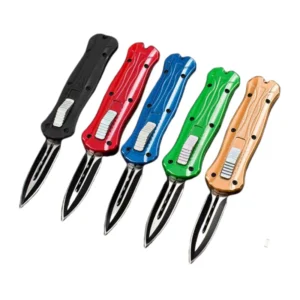
For wholesale buyers, these details are worth discussing with suppliers before placing larger orders. A knife that looks good in a case and remains easy to maintain after purchase tends to create fewer returns and better repeat business. If you are comparing folding automatic styles, you can review options in the OTF and auto knife wholesale category to see how different designs balance appearance, care, and handling.
Practical FAQ
Can I use alcohol to clean a pocket knife blade?
Yes, rubbing alcohol can help remove sticky residue, fingerprints, and some grime. Use it sparingly on a cloth or swab, and avoid heavy use on handle materials that may react to it. Dry the knife afterward.
Is soap and water safe for all pocket knives?
Not always. It is usually fine for many blades if you use mild soap, minimal water, and quick drying, but some handle materials and internal components should not be soaked. Check the manufacturer’s care guidance when available.
What if the blade has rust?
Small rust spots can often be reduced with gentle rubbing, a little oil, or a knife-safe rust remover. If the rust is deep or widespread, the blade may need more serious restoration. Preventing moisture exposure is the best approach.
How do I clean a knife after cutting food?
Wash the blade soon after use with warm water and mild soap, then dry it fully. Food acids and salts can stain metal if left on the blade too long. Never store a knife wet.
Should I clean knives before resale?
Yes. Even brand-new inventory can collect dust, oils, or packaging residue. A quick inspection and wipe-down improves presentation and helps buyers see the product clearly. For larger orders or ongoing stock needs, you can also send a note through the wholesale inquiry form to discuss availability and sourcing.
Keep the blade clean, and the knife will stay ready
Knowing how to clean a pocket knife blade is mostly about consistency. A quick wipe after use, a gentle wash when needed, and complete drying go a long way toward preserving performance and appearance. Add light oil when appropriate, keep the pivot free of debris, and avoid harsh cleaners that can do more harm than good.
Whether you carry one knife every day or manage inventory for a store or distribution business, the same basics apply: clean it carefully, store it dry, and choose models that are easy to maintain. That habit helps knives look better, work better, and stay ready for responsible use.