

How to Remove Rust from a Pocket Knife


Short answer
Learn how to remove rust from a pocket knife safely with simple tools, cleaning steps, prevention tips, and buying advice for retailers and wholesale buyers.
In this article
- 01 What to do first when you spot rust
- 02 Safe ways to remove light rust from a pocket knife
- 03 1. Soap, water, and a soft cloth
- 04 2. Oil and gentle rubbing
- 05 3. Vinegar for stubborn surface rust
- 06 4. Baking soda paste
- 07 When a little more pressure is acceptable
- 08 What not to do
- 09 How to prevent rust from coming back
- 10 Choosing rust-resistant pocket knives for resale or store shelves
- 11 When rust means it is time to replace the knife
- 12 Practical FAQ
- 13 Can I remove rust from a pocket knife with household items?
- 14 Will vinegar damage my blade?
- 15 Is rust on a stainless steel pocket knife normal?
- 16 How often should I oil a pocket knife?
- 17 What is the best knife for humid environments?
If your pocket knife has light rust, you can usually remove it with a gentle cleaner, a soft cloth, and a little patience. Start by wiping away dirt, then loosen the rust with a non-abrasive method such as oil, vinegar, or a baking soda paste, depending on the blade finish, and dry the knife completely before applying a thin coat of protectant. For deeper rust, careful scrubbing and repeat treatment may be needed, but if the corrosion has pitted the steel or affected the locking parts, replacement may be the smarter choice.
Rust is common on pocket knives because they live in pockets, toolboxes, glove compartments, and damp work bags. Even stainless steel can discolor if it is exposed to moisture, sweat, salt air, or improper storage. The good news is that most surface rust can be managed at home without special equipment, and the same care habits help retailers, resellers, and distributors reduce returns from customers who want a knife that looks clean and performs reliably.
What to do first when you spot rust
Before you start scrubbing, inspect the knife closely. Open and close it carefully, check the blade, pivot, liners, and screws, and look for orange or brown spots that sit on the surface rather than deep pits. If the rust is only on the blade, you have a better chance of restoring it. If the rust has reached the pivot or lock area, work slowly so you do not force grit into the mechanism.
Gather a few simple items:
- Soft cloths or microfiber towels
- Warm water and mild dish soap
- Mineral oil, knife oil, or food-safe lubricant if needed
- White vinegar or baking soda for light rust removal
- A soft toothbrush or nylon brush
- Non-scratch pad or very fine steel wool only if appropriate for the finish
Always dry the knife fully before and after treatment. Moisture left in the pivot or handle scales can make the problem return quickly.
Safe ways to remove light rust from a pocket knife
For most everyday rust spots, start with the least aggressive method first. A gentle approach protects the blade finish and reduces the risk of scratching stainless, coated, or decorative surfaces.
1. Soap, water, and a soft cloth
Wash the blade with warm water and a small amount of mild soap. Use a cloth or soft brush to remove grime, then rinse lightly and dry immediately. This step will not remove every rust spot, but it often clears away debris that hides the real extent of the corrosion.
2. Oil and gentle rubbing
Apply a small amount of knife oil or mineral oil to the rusted area and rub with a cloth in short, controlled motions. Oil helps lift surface oxidation and gives you more control than dry scrubbing. This method works well for customers who want a low-risk maintenance routine for folding knives used in daily carry.
3. Vinegar for stubborn surface rust
White vinegar can help loosen rust on plain steel blades. Dampen a cloth with vinegar, hold it on the rusted area for a short time, then rub gently. Do not soak the entire knife unless you know the finish and handle materials can tolerate it. Acidic liquids can affect some coatings, so wipe the blade clean and dry it thoroughly afterward.
4. Baking soda paste
Mix baking soda with a few drops of water to form a paste. Spread it on the rust spot and rub lightly with a cloth or soft toothbrush. This is a useful option when you want mild abrasion without harsh scratching. Rinse or wipe away residue and dry the blade well.
When a little more pressure is acceptable
If the rust remains after gentle cleaning, you can move up carefully. Very fine steel wool or a non-scratch pad may help on blades with visible oxidation, but only use them with light pressure and only when you are comfortable with the risk of changing the blade finish. On satin or bead-blasted blades, even small scratches may be noticeable. On coated blades, aggressive rubbing can wear through the protective layer.
For patterned, stonewashed, or black-coated blades, test any method on a small area first. A knife that looks good on a sales shelf should also stay attractive after use, so buyers often prefer models with corrosion-resistant steel and finishes that are easier to maintain.
What not to do
Some common mistakes make rust worse or damage the knife permanently:
- Do not leave the knife soaking in water for long periods.
- Do not use harsh grinders, sandpaper, or metal files on a finished blade.
- Do not force the blade open if rust has affected the pivot.
- Do not store the knife while it is still damp.
- Do not ignore rust near the lock, liner, or spring areas.
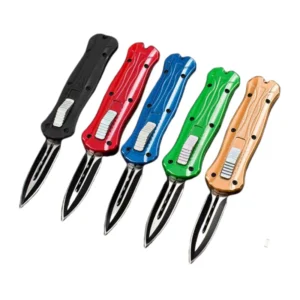
If the knife is a folding model with an assisted or automatic opening mechanism, keep cleaning gentle and avoid flooding the internal parts. If you sell these products, it helps to stock models and accessories that are easy for end users to maintain. You can review options in the OTF and automatic knife wholesale category for buyers looking for inventory with strong appeal and practical care requirements.
How to prevent rust from coming back
Once the blade is clean, prevention matters more than the repair. A few small habits can keep a pocket knife looking better for longer:
- Wipe the blade after handling, especially after rain, sweat, or salt exposure.
- Dry the pivot area before closing the knife.
- Apply a thin coat of oil or corrosion inhibitor when storing the knife for extended periods.
- Keep knives in a dry place instead of sealed damp containers.
- Avoid leaving a knife in a pocket with wet fabric or in a vehicle that sees temperature swings and condensation.
For retail buyers and resellers, these points are worth sharing with customers because simple care instructions reduce complaints and returns. A knife that arrives clean and is stored properly will usually maintain its appearance much longer than one tossed into a drawer after use.
Choosing rust-resistant pocket knives for resale or store shelves
If you buy knives for a store, online shop, or distribution channel, rust resistance should be part of your product selection. Stainless steel is a good starting point, but not all stainless steels perform the same. Heat treatment, finish, blade geometry, and handle materials all affect how a knife handles moisture over time.
Here are practical buyer criteria to consider:
- Steel type: Look for steels known for corrosion resistance if your customers work outdoors or in humid climates.
- Blade finish: Coated or stonewashed finishes can help hide minor wear and may slow visible spotting.
- Pivot quality: Smooth, well-fitted pivots are easier to maintain and less likely to trap moisture.
- Handle material: G10, aluminum, and other moisture-tolerant materials are often easier to keep clean than some untreated materials.
- Packaging and care instructions: Clear maintenance guidance helps end users protect the knife after purchase.
If you are building inventory and want products that fit current demand, it is worth comparing models by corrosion resistance, blade style, and customer use case. Wholesale buyers can also request product details and pricing through the wholesale inquiry form to match stock with their market.
When rust means it is time to replace the knife
Not every rusted knife is worth restoring. If the blade has deep pitting, the lock no longer engages properly, or the pivot remains gritty after cleaning, replacement may be the safer and more economical option. Severe corrosion can affect strength, fit, and smooth operation. That is especially important for buyers who carry knives for daily utility, where reliability matters more than cosmetic appearance.
For retailers, it helps to explain this clearly: light rust is normal and often fixable, but structural damage is not a routine maintenance issue. Customers appreciate honest guidance, and it protects the reputation of the products you sell.
Practical FAQ
Can I remove rust from a pocket knife with household items?
Yes. Mild soap, oil, vinegar, and baking soda can all help with light surface rust. Use the least aggressive method first and dry the knife completely afterward.
Will vinegar damage my blade?
It can if left on too long or used on the wrong finish. Use it briefly, wipe it off, and dry the blade right away. Test carefully on coated or decorative blades.
Is rust on a stainless steel pocket knife normal?
It can happen, especially with frequent moisture exposure or poor storage. Stainless steel resists rust better than carbon steel, but it is not completely rustproof.
How often should I oil a pocket knife?
That depends on use and climate. A light coat after cleaning and before long-term storage is a sensible routine for many folding knives.
What is the best knife for humid environments?
Look for corrosion-resistant steel, a durable finish, and handle materials that handle moisture well. Buyers in coastal or rainy regions often prioritize those features.
Removing rust from a pocket knife is usually straightforward if you act early, use gentle methods, and dry the knife thoroughly afterward. Good maintenance protects the blade, keeps the action smooth, and helps both individual owners and wholesale buyers get more value from every knife they handle.