

How to Clean a Knife Blade Safely and Properly


Short answer
Learn how to clean a knife blade safely with simple steps, common mistakes to avoid, and care tips for stainless, carbon steel, and folding knives.
In this article
- 01 Why blade cleaning matters
- 02 The safest routine for cleaning a knife blade
- 03 What to use
- 04 What to avoid
- 05 How to handle different blade materials
- 06 Stainless steel
- 07 Carbon steel
- 08 Coated or black-finish blades
- 09 Cleaning folding knives and OTF knives with care
- 10 When a deeper clean is needed
- 11 Common mistakes to avoid
- 12 How often should you clean a knife blade?
- 13 Simple maintenance habits that protect the blade
- 14 FAQ
- 15 Can I use hot water to clean a knife blade?
- 16 Is it okay to put a knife in the dishwasher?
- 17 What should I do if the blade has rust spots?
- 18 Do folding knives need special care after cleaning?
- 19 How can wholesale buyers reduce care issues before resale?
The best way to clean a knife blade is to wipe it soon after use, wash it gently with warm water and mild soap when needed, dry it completely, and store it in a dry place. That simple routine prevents rust, sticky buildup, and dulling while keeping the knife ready for safe, everyday use. Whether you manage store inventory, buy for resale, or maintain a personal collection, proper blade care helps protect value and reduce returns caused by corrosion or poor presentation.
Why blade cleaning matters
A clean blade is not just about appearance. Food acids, moisture, fingerprints, and outdoor residue can all leave behind marks that lead to staining or rust over time. Even stainless steel benefits from regular care, especially if the knife is used in humid environments or handled often. For retailers and wholesale buyers, clean and well-maintained knives also look better on display and are more likely to stay in saleable condition during storage and shipping.
If you source knives in bulk, it is worth thinking about maintenance from the start. Products that arrive with protective oils, quality finishes, and corrosion-resistant materials usually need less corrective care later. Buyers comparing inventory for resale can browse options in the OTF and auto knife wholesale category to better understand how different finishes and materials affect upkeep.
The safest routine for cleaning a knife blade
For most knives, a gentle hand-cleaning routine works best. Start by making sure the knife is closed or safely secured. Then use a soft cloth or sponge with warm water and a small amount of mild dish soap. Wipe the blade carefully, paying attention to the edge area and the spine where residue often collects. Rinse with clean water if needed, then dry the blade completely with a lint-free towel.
If the blade has stubborn spots, let the soapy water sit on the surface for a moment rather than scrubbing hard. Light pressure is usually enough. Harsh scouring pads, steel wool, and abrasive powders can scratch coatings and finishes, which may make future cleaning harder. For folding knives, clean around the pivot area carefully so moisture does not remain trapped inside the handle.
What to use
- Mild dish soap
- Warm water
- Soft cloth, microfiber towel, or non-abrasive sponge
- Dry towel for finishing
- Small brush or cotton swab for tight areas
What to avoid
- Bleach or strong chemicals unless the manufacturer specifically allows them
- Dishwashers, which can damage finishes and trap moisture
- Abrasive scrubbers that scratch the blade
- Leaving a knife wet on a counter or in a sink
How to handle different blade materials
Not all blades should be cleaned the same way. Material and finish make a difference in how much care is needed.
Stainless steel
Stainless steel is easier to maintain than many other steels, but it is not maintenance-free. Wash it normally, dry it well, and inspect for water spots after cleaning. If the knife is used around salt, citrus, or seafood, clean it sooner rather than later because those residues can leave marks.
Carbon steel
Carbon steel can perform very well, but it needs more attention. Clean it promptly after use and dry it immediately. A thin protective coat of food-safe oil or a manufacturer-recommended protectant may help reduce rust between uses. Buyers who stock carbon steel products should expect to educate customers about routine drying and storage.
Coated or black-finish blades
Coated blades should be wiped gently to avoid wearing down the finish. Use soft cloths and avoid harsh scrubbing. Once a coating is scratched, the exposed area may need more frequent care because it can be more vulnerable to corrosion than the surrounding surface.
Cleaning folding knives and OTF knives with care
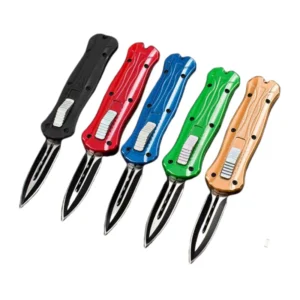
Folding knives and automatic or OTF models can collect lint, dust, and residue in moving parts. The blade itself should be cleaned gently, but the mechanism also matters. Keep moisture away from springs, pivots, and internal channels as much as possible. Use a cotton swab or soft brush for small crevices, and never force the blade open or closed during cleaning.
For buyers and resellers, mechanism quality can influence how easy a knife is to maintain. A well-built knife with smooth action, durable materials, and consistent fit will generally hold up better in customer hands. If your business handles a lot of these products, it may help to source from reliable wholesale channels such as the wholesale inquiry form so you can ask about finishes, materials, and care expectations before ordering.
When a deeper clean is needed
Sometimes a quick wipe is not enough. Sap, adhesive residue, tape glue, oil, or dried food may need a little more time and a soft touch. In those cases, apply warm soapy water with a cloth and let it sit briefly on the blade. For sticky residue, a small amount of rubbing alcohol on a cloth may help, but only if the knife manufacturer says it is safe for the finish. Always test a small area first if you are unsure.
If you notice orange spots or discoloration, clean the area right away and dry the blade thoroughly. Light surface staining can often be managed early, but deeper corrosion may require more specialized care. For store buyers, this is one reason packaging, storage conditions, and shipping humidity matter. A knife can leave the factory in great shape and still arrive with issues if it sits in a damp carton or warehouse.
Common mistakes to avoid
Many knife problems start with a few simple habits that are easy to fix. The most common mistake is letting moisture sit on the blade after washing. Another is using the wrong cleaner and damaging the finish. People also sometimes store knives while they are still damp, which can lead to staining inside sheaths, cases, or display trays.
Another frequent issue is neglecting the handle area. If residue builds up near the handle or pivot, it can transfer back onto the blade and make the knife look dirty even after cleaning. For retailers, this can hurt presentation. For end users, it can shorten the life of the knife and make routine maintenance more difficult later.
How often should you clean a knife blade?
There is no single schedule that fits every knife, but a good rule is to wipe the blade after each use and give it a full cleaning whenever it has contact with food, moisture, dirt, or adhesive residue. Knives used in kitchens, outdoor work, or humid storage areas may need more frequent attention than knives kept mainly for collection or display. The more often a knife is handled, the more often fingerprints and oils should be removed.
If you are managing inventory, it helps to inspect stock on a regular cycle. Look for fingerprints, spotting, packaging moisture, and edge protection issues. Catching these early keeps products in better condition for customers and reduces avoidable damage.
Simple maintenance habits that protect the blade
Cleaning works best when it is part of a larger care routine. Keep knives dry, store them away from humidity, and avoid tossing them loose in drawers or bins where they can scratch other items. If the knife comes with a sheath, case, or protective sleeve, make sure it is fully dry before storage. A light coat of protectant may be useful for certain steels, but always follow the maker’s guidance and use products intended for the blade material.
For wholesale buyers, these small habits can improve product condition throughout the supply chain. Better storage and handling practices often mean fewer customer complaints and better shelf presentation. When you are comparing suppliers, ask about finish types, packaging, and care recommendations so you can choose knives that fit your market and maintenance expectations.
FAQ
Can I use hot water to clean a knife blade?
Warm water is usually enough. Very hot water is not necessary and may be uncomfortable to handle safely. Mild soap and careful drying are more important than high temperature.
Is it okay to put a knife in the dishwasher?
It is generally better to hand wash knives. Dishwashers can expose blades to harsh detergent, heat, moisture, and contact with other items that may damage the finish or edge.
What should I do if the blade has rust spots?
Clean and dry the blade first. If the spots remain, use a gentle method appropriate for the steel type and finish. For serious corrosion, follow the manufacturer’s care guidance or consult a professional. Verification based on local conditions and product type is always wise.
Do folding knives need special care after cleaning?
Yes. Folding knives should be dried carefully around the pivot and any internal spaces. Avoid trapping moisture inside the handle and make sure the knife opens and closes smoothly after cleaning.
How can wholesale buyers reduce care issues before resale?
Choose knives with durable materials, corrosion-resistant finishes, and reliable packaging. Ask suppliers about maintenance expectations, storage recommendations, and how products are protected during transit. That extra planning can save time later and help keep inventory in better condition.
Cleaning a knife blade does not have to be complicated. A gentle wash, thorough drying, and smart storage will handle most situations, while material-specific care helps protect the blade over time. For shoppers and business buyers alike, consistent maintenance keeps knives safer to handle, better looking, and more reliable in daily use.