

What Angle to Sharpen a Pocket Knife


Short answer
Learn what angle to sharpen a pocket knife, how blade steel and use affect the edge, common mistakes to avoid, and how to choose sharpening tools for retail or
In this article
- 01 Why edge angle matters on a pocket knife
- 02 The most common angles and when they make sense
- 03 15 degrees per side
- 04 20 degrees per side
- 05 25 degrees per side
- 06 30 degrees per side and above
- 07 How blade steel changes the right sharpening angle
- 08 How to choose the angle based on use
- 09 Signs the angle is wrong
- 10 Common sharpening mistakes to avoid
- 11 What wholesale buyers should look for
- 12 Practical FAQ
- 13 Is 20 degrees per side good for most pocket knives?
- 14 Should a pocket knife used for outdoor work be sharpened differently?
- 15 Can I sharpen every pocket knife to the same angle?
- 16 What if my knife came from the factory with a different bevel?
- 17 How do I know if I should use a finer or wider angle?
- 18 Final takeaway
The best starting point for what angle to sharpen a pocket knife is usually 20 degrees per side, or about a 40-degree inclusive edge. That angle gives most pocket knives a good balance of sharpness, edge life, and everyday durability. If the knife is a finer slicer, you may go a little lower; if it is built for tougher work, a slightly wider angle often holds up better.
That simple answer matters because the right edge angle affects how a pocket knife cuts, how often it needs touch-ups, and how likely the edge is to chip or roll. For shoppers, collectors, retailers, and wholesale buyers, understanding the angle helps you choose the right knife style and the right sharpening method for the blade steel and intended use.
Why edge angle matters on a pocket knife
A pocket knife is expected to do a lot of different jobs: opening packages, slicing rope, trimming materials, preparing food on the go, or handling light outdoor tasks. The sharpening angle influences how the blade performs in all of those situations. A narrower angle can feel razor sharp and cut very smoothly, but it may wear faster. A wider angle usually feels a bit sturdier and can better handle repeated daily use.
For most everyday carry knives, the goal is not the thinnest possible edge. It is a practical edge that sharpens cleanly and stays useful between maintenance sessions. That is why many manufacturers and sharpeners settle around 15 to 20 degrees per side for general-purpose pocket knives.
The most common angles and when they make sense
15 degrees per side
This is a fine, aggressive cutting angle often used on slicers and knives made for clean, precise cuts. It can work well on quality steel with good heat treatment, especially if the knife is used mostly for light tasks. The tradeoff is lower edge strength, so it may not be the best choice for heavy utility use.
20 degrees per side
This is the most practical all-around answer for many pocket knives. It offers a strong balance of sharpness and durability, which is why it is such a common recommendation for everyday carry blades. If you are unsure where to start, this is usually the safest and most versatile choice.
25 degrees per side
A wider angle like this is often useful for harder use, lower-cost blades, or knives that will see more abuse than slicing. It may not feel quite as refined, but it can help reduce damage to the edge. Some buyers prefer this for utility knives that need toughness over fine shaving sharpness.
30 degrees per side and above
This is generally reserved for very demanding work or certain blade designs where edge stability matters more than slicing performance. For most pocket knives, this angle is too blunt for everyday cutting tasks, but it can be appropriate in specific use cases or for blades that are repeatedly exposed to rough materials.
How blade steel changes the right sharpening angle
Not all steels behave the same way. A premium stainless steel with good edge retention may tolerate a thinner angle better than a softer steel. A harder steel can hold a fine edge longer, but it may also be less forgiving if the angle is too narrow or if the user applies excessive pressure. Softer steels often sharpen easily but may benefit from a slightly wider angle to reduce rolling.
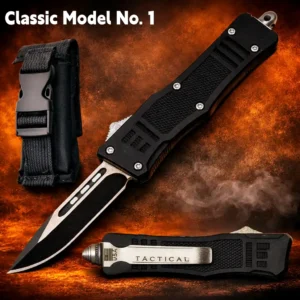
For buyers choosing inventory, it helps to think beyond blade length and handle style. Two similar-looking pocket knives can require different maintenance because of steel type, hardness, and edge geometry. If you stock a wide range of knives, including automatic models, it is smart to understand which blades are better suited to precise slicing and which are better suited to rugged daily use. For related product lines, you can review our OTF and automatic knife category.
How to choose the angle based on use
Think about how the knife will actually be used. A pocket knife kept in a retail display case and sold as an everyday carry item may need a different edge than one intended for outdoor utility or worksite tasks.
- Office or package opening: 15 to 20 degrees per side can feel very clean and efficient.
- General everyday carry: 20 degrees per side is the most common practical choice.
- Outdoor or utility use: 20 to 25 degrees per side often gives a better balance of toughness and cutting ability.
- Heavy-duty or rough cutting: 25 degrees per side or more may help the edge last longer.
For resellers and distributors, this is useful when describing products to customers. A buyer who wants a sleek, high-performance EDC knife may prefer a finer edge, while a contractor or outdoor customer may care more about durability and ease of maintenance.
Signs the angle is wrong
If a pocket knife is sharpened at the wrong angle, the problem usually shows up quickly. A blade that is too thin may feel sharp at first but lose its edge fast, roll easily, or chip under pressure. A blade that is too wide may seem dull even after sharpening because the edge geometry is too blunt for efficient cutting.
Common warning signs include:
- The knife cuts poorly even after sharpening.
- The edge dulls after only a small amount of use.
- Small chips appear along the blade.
- The blade feels like it is dragging instead of slicing.
- One side of the edge looks more polished than the other, which can signal uneven sharpening.
If you notice these issues, the angle may need to be adjusted, or the knife may need a full reset on a sharpening system rather than a simple touch-up.
Common sharpening mistakes to avoid
One of the biggest mistakes is changing the angle constantly during sharpening. Even a few degrees of inconsistency can make the edge uneven and reduce cutting performance. Another mistake is trying to make every pocket knife razor-thin. That may look impressive on paper, but it is not always practical for real-world use.
It is also easy to press too hard. Heavy pressure can remove too much metal, overheat the edge on powered systems, or create a wire edge that feels sharp briefly and then fails quickly. Slow, controlled passes usually produce a cleaner result.
Finally, do not ignore the factory bevel. Many pocket knives are designed with a specific edge angle in mind. If a blade is already working well, there may be no reason to change it dramatically. Small adjustments are often better than a complete redesign of the edge.
What wholesale buyers should look for
If you buy knives for a store, online shop, or distribution business, sharpening angle is part of the product story. Customers may not ask for the technical details, but they will notice whether a knife feels sharp, durable, and easy to maintain. A good assortment should include models that suit different users, from light-duty everyday carry to more robust utility blades.
When evaluating inventory, consider:
- Blade steel: Does it support a finer edge or need a sturdier one?
- Intended use: Is the knife positioned as EDC, outdoor, utility, or collector-grade?
- Ease of maintenance: Can the average customer resharpen it without frustration?
- Consistency: Are the blades finished evenly and ready for practical use?
- Customer expectations: Will the knife be judged by slicing performance, toughness, or both?
For wholesale ordering, consistency matters as much as design. Buyers want products that are straightforward to explain, easy to maintain, and suited to the audience they serve. If you are sourcing for retail or distribution, you can also reach out through our wholesale inquiry form to discuss product options and order needs.
Practical FAQ
Is 20 degrees per side good for most pocket knives?
Yes. For many everyday pocket knives, 20 degrees per side is the best all-purpose starting point because it balances sharpness and durability.
Should a pocket knife used for outdoor work be sharpened differently?
Often, yes. Outdoor and utility knives may benefit from a slightly wider angle, such as 20 to 25 degrees per side, because that can improve edge stability under tougher use.
Can I sharpen every pocket knife to the same angle?
Not always. Blade steel, thickness, heat treatment, and intended use all affect the ideal angle. A single angle will not be perfect for every knife.
What if my knife came from the factory with a different bevel?
It is usually best to stay close to the original design unless you have a specific reason to change it. A small adjustment is often enough to improve performance without altering the blade too much.
How do I know if I should use a finer or wider angle?
Choose a finer angle if the knife is mainly for light slicing and you want maximum cutting efficiency. Choose a wider angle if you want more durability and the knife will face rougher use.
Final takeaway
If you are asking what angle to sharpen a pocket knife, start with 20 degrees per side for most everyday uses. From there, move finer for slicing performance or wider for durability, depending on the steel and the job. The best angle is the one that matches how the knife is actually used, not just how sharp it looks right after sharpening. For retailers and wholesale buyers, that practical balance is what keeps customers satisfied and products easy to recommend.