




What Is the Best Knife Steel? A Practical Buyer’s Guide

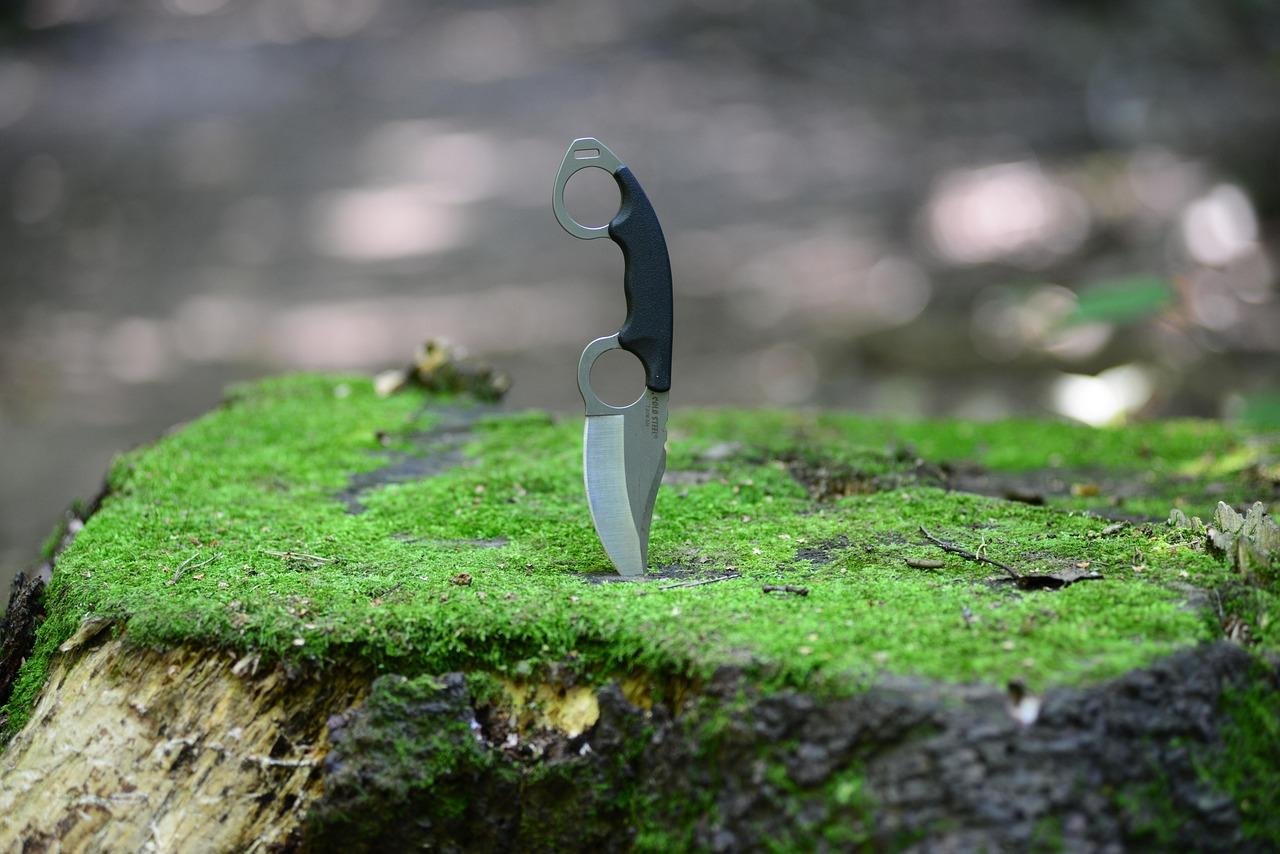
The best knife steel depends on how the knife will be used, how often it will be maintained, and what kind of balance you want between sharpness, durability, and rust resistance. For most buyers, there is no single “best” steel for every knife; instead, the right choice is the one that fits the job. A stainless steel with good corrosion resistance is often best for everyday carry and retail customers, while tougher tool steels can make more sense for hard-use knives if the owner is comfortable with regular care. Wholesale buyers should look at steel consistency, brand reputation, and the needs of their customer base before stocking a model.
What makes one knife steel better than another?
Knife steel is judged by a few core traits. When these traits improve, another one may become harder to achieve, so the “best” steel is usually a balance rather than a perfect score in every category.
- Edge retention: How long the blade stays sharp during normal use.
- Toughness: How well the steel resists chipping or breaking under stress.
- Corrosion resistance: How well the blade resists rust and staining.
- Sharpenability: How easy it is to restore a sharp edge.
- Wear resistance: How slowly the edge and blade surface wear down.
For example, a steel that holds an edge very well may take more effort to sharpen. A steel that is easy to sharpen may need touch-ups more often. Buyers who understand this tradeoff usually make better long-term choices.
Best knife steel for most everyday buyers
If you want a simple answer, many shoppers do well with a quality stainless steel in the mid-to-premium range. These steels usually offer a solid mix of edge retention, rust resistance, and manageable sharpening. They are especially practical for customers who carry a knife in changing weather, keep one in a work bag, or want lower maintenance.
For retail stores and online resellers, this is often the safest category to stock because it appeals to the widest audience. Buyers tend to appreciate a blade that performs reliably without demanding constant oiling or careful storage. That is one reason stainless options are common in everyday carry knives and folding knives.
When stainless steel is the better choice
Stainless steel is usually the right answer when the knife may be exposed to moisture, sweat, food acids, or humid storage conditions. It is also a smart option for casual users who may not sharpen often. If your customers want convenience and low maintenance, stainless steel is often the most practical recommendation.
When tougher tool steels make sense
Some buyers prefer carbon-rich tool steels because they can offer excellent toughness and strong cutting performance. These steels are often appreciated by experienced users who do not mind a little extra maintenance. They may develop patina more easily and can be more prone to corrosion if neglected, but many enthusiasts value their feel and sharpening response.
For wholesale ordering, tool steels can be a good fit for customers who specifically ask for hard-use blades, outdoor use, or traditional knife performance. They are not automatically better than stainless steels; they are simply better for certain priorities.
If you stock knives for retailers or resellers, it helps to know whether your audience wants low-maintenance convenience or a more hands-on steel that rewards upkeep.
How to choose the best steel for your customer base
Instead of asking, “What is the best steel overall?” ask, “What is the best steel for this type of buyer?” That approach leads to better inventory decisions and fewer disappointed customers.
- Match the steel to the use case. Everyday carry, outdoor use, food prep, and display pieces all benefit from different balances.
- Consider maintenance habits. A customer who rarely sharpens or oils a knife should probably get a corrosion-resistant option.
- Think about climate. Humid regions and coastal areas make rust resistance more important.
- Look at sharpening expectations. Some buyers want a steel they can sharpen quickly at home.
- Check consistency from the supplier. Wholesale buyers should care about reliable heat treatment and repeatable performance as much as the steel label itself.
For buyers sourcing inventory, product quality is not only about the steel name. Heat treatment, blade geometry, and edge finish all affect how the knife performs. A well-made mid-tier steel can outperform a poorly treated premium steel in real use.
Common mistakes people make when comparing knife steels
One of the biggest mistakes is assuming the most expensive steel is automatically the best. Premium steels can perform very well, but they are not always the best fit for casual users or budget-conscious shoppers. Another mistake is focusing only on edge retention while ignoring rust resistance or sharpening difficulty.
- Choosing by reputation alone: A steel name does not guarantee the finished knife will perform well.
- Ignoring maintenance needs: Even good steels need cleaning and proper storage.
- Overlooking intended use: A steel suited for fine slicing may not be ideal for rough outdoor tasks.
- Assuming all stainless steels are equal: Stainless steels vary widely in performance.
- Forgetting the handle and build quality: Steel matters, but lockup, fit, and finish matter too.
For B2B buyers, these mistakes can lead to returns or customer complaints. A clear product description and realistic expectations help customers choose the right knife the first time.
What wholesale buyers should look for in knife steel
Wholesale buyers, distributors, and store owners should focus on consistency and customer fit. A knife steel that works well for one segment may not be ideal for another. If you sell to general consumers, a balanced stainless option usually has broad appeal. If you sell to enthusiasts, you may want a wider mix that includes tougher and more premium steels.
When evaluating wholesale inventory, ask these questions:
- Is the steel easy to explain to customers without overselling it?
- Will the average buyer understand how to maintain it?
- Does the knife’s price match the steel quality and overall build?
- Are replacement, warranty, and after-sale expectations reasonable?
If you are building inventory for an OTF or automatic knife customer base, steel choice can affect both performance and perceived value. You can explore options in the OTF and auto knife wholesale category when selecting products for your lineup.
Maintenance matters as much as the steel itself
Even the best knife steel will underperform if it is neglected. Regular cleaning, drying after exposure to moisture, and proper storage all help preserve the edge and finish. A few drops of oil on the pivot and a clean cloth for the blade can go a long way, especially for carbon-containing steels.
Sharpening habits also matter. A knife that is touched up before it becomes dull is easier to maintain than one that is allowed to wear down completely. For customers who are new to knives, it helps to recommend steels that are forgiving and easy to maintain.
Responsible ownership also includes safe storage and lawful use. Buyers should verify local rules and follow any applicable restrictions where they live or sell.
Practical FAQ about the best knife steel
Is stainless steel always the best choice?
No. Stainless steel is often the most convenient choice, but some users prefer tool steels for toughness, sharpening feel, or traditional performance. The best option depends on how the knife will be used and maintained.
What steel stays sharp the longest?
Some high-wear steels can hold an edge for a long time, but they may be harder to sharpen. Long edge life is useful, but it should be weighed against toughness and corrosion resistance.
What steel is easiest to sharpen?
Many simpler stainless and carbon steels are easier to sharpen than very wear-resistant premium steels. That can be a big advantage for everyday users who sharpen at home.
Does expensive steel always mean better performance?
Not always. Heat treatment, blade design, and overall build quality can matter just as much. A well-made knife with a mid-range steel may outperform a poorly made knife with a premium label.
What should wholesale buyers prioritize?
Wholesale buyers should prioritize consistent quality, clear product positioning, and the needs of their customers. The best steel for your inventory is the one that sells well, performs reliably, and matches the maintenance habits of your market.
The bottom line
The best knife steel is the one that fits the buyer, not the one with the biggest reputation. For many people, a quality stainless steel offers the best mix of sharpness, durability, and easy care. For others, a tougher tool steel is worth the extra maintenance. If you are buying for resale or distribution, choose steels that match your customers’ real-world habits and your product positioning. When you are ready to source in volume, you can also use the wholesale inquiry form to discuss inventory needs and product options.