




What Is Considered a Pocket Knife? A Practical Guide for Buyers

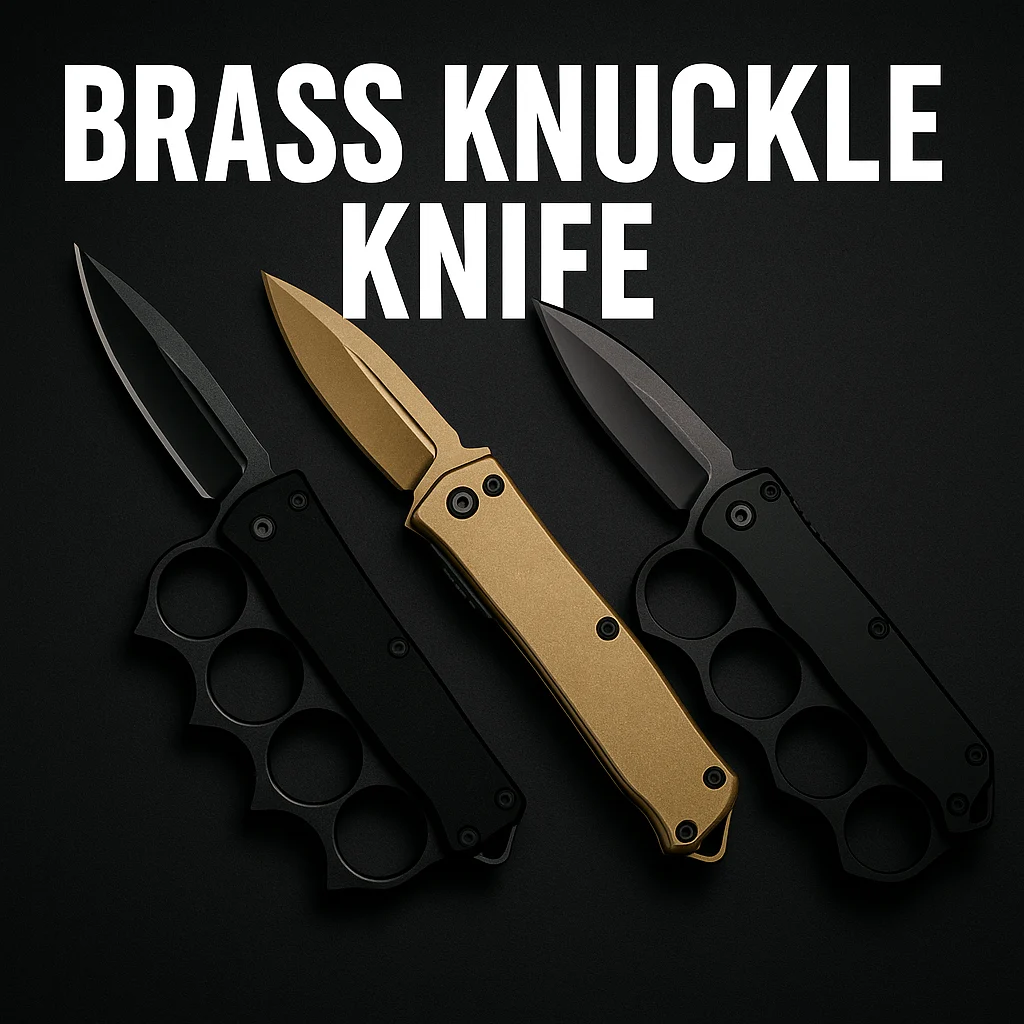
A pocket knife is generally a small folding knife designed to carry safely in a pocket, bag, or tool pouch, with a blade that folds into the handle when not in use. In everyday buying terms, it usually means a compact folding knife that is easy to carry, easy to open, and useful for routine tasks like opening packages, cutting cord, trimming material, or handling light utility work.
That simple definition covers most of what shoppers mean when they ask what is considered a pocket knife, but the category is broader than many people think. Some pocket knives are classic slipjoints, some are modern locking folders, and some are compact multi-blade tools. For retail buyers and wholesale customers, the real question is often how the knife is built, how it carries, and how it will be used by the end customer.
What makes a knife a pocket knife
The most important feature is portability. A pocket knife is made to be carried on a person without much bulk, and the blade folds into the handle for safer storage. Most pocket knives are small to medium in size, though “pocket-sized” can vary depending on the market and the buyer’s needs.
Common traits include:
- A folding blade that closes into the handle
- A size that fits comfortably in a pocket or small carry pouch
- Everyday utility rather than heavy-duty field use
- Simple, practical design for quick access and storage
Many shoppers also expect a pocket knife to have a pocket clip, thumb stud, nail nick, or other opening method, but those features are not required for something to count as a pocket knife.
How pocket knives differ from other folding knives
Not every folding knife is automatically thought of as a pocket knife, even though the terms overlap. A larger tactical folder, rescue knife, or work knife may still fold, but if it is bulky or built mainly for specialized use, buyers may not describe it as a pocket knife.
Here is a practical way to think about it:
- Pocket knife: compact, general-purpose, easy to carry
- Folding knife: any knife with a folding blade, including larger or specialized models
- Utility knife: often made for work tasks, sometimes with replaceable blades
- Multi-tool: a carry tool with several functions, of which a blade is only one part
For wholesale buyers, this distinction matters because customers shop by use case. A small everyday folder may sell well in gift shops and general merchandise stores, while a larger folding knife may fit better in outdoor, tactical, or work-focused assortments. If you are building a mixed selection, it helps to review a broad folding knife wholesale category to compare styles and price points side by side.
Common types of pocket knives shoppers recognize
Pocket knives come in several familiar styles, and each one appeals to a different customer.
Traditional slipjoint pocket knives
These are the classic pocket knives many people picture first. They often have one or more blades, a compact handle, and no locking mechanism. They are popular with collectors, gift buyers, and customers who want a traditional everyday carry knife.
Locking folding pocket knives
These folders use a lock to keep the blade open during use. Buyers often prefer them for added confidence in everyday utility tasks. They are common in modern retail assortments because they combine convenience with a more contemporary feel.
Compact assisted-opening folders
Some shoppers want a pocket knife that opens quickly and smoothly. Assisted-opening models can appeal to users who value speed and one-handed convenience, though buyers should always check local rules and store policies before stocking them widely.
Multi-blade pocket knives
These are useful for customers who want more than one blade shape in a compact format. They are often chosen for gift sets, general use, or traditional knife buyers who appreciate versatility.
What buyers should look for in a pocket knife
If you are choosing pocket knives for a store, online listing, or wholesale order, focus on the features that affect everyday satisfaction, not just appearance.
- Closed size: Will it actually fit comfortably in a pocket?
- Blade length and profile: Is it suitable for common tasks and your target customer?
- Handle material: Metal, wood, polymer, or composite each creates a different feel and price level
- Opening method: Nail nick, thumb stud, flipper, or assisted opening
- Lock type: If present, does it feel secure and easy to understand?
- Pocket clip or carry option: Helpful for modern buyers who want daily carry convenience
- Fit and finish: Smooth edges, consistent blade centering, and clean assembly matter in resale
Wholesale buyers should also pay attention to packaging and display value. A pocket knife that looks good in a case or blister pack can perform better at retail than a similar model without presentation appeal. For distributors and resellers, consistency across a batch is just as important as the individual knife specs.
Examples of what people usually mean by pocket knife
In everyday conversation, a pocket knife might be any of the following:
- A small single-blade folder carried for opening boxes
- A traditional two-blade or three-blade slipjoint
- A compact locking knife used for work or outdoor chores
- A slim everyday carry knife with a pocket clip
What those examples have in common is that they are easy to carry and intended for practical, routine use. A large fixed blade, by contrast, would usually not be called a pocket knife because it does not fold and is not meant for pocket carry in the same way.
Common mistakes when buying pocket knives
One of the biggest mistakes is focusing only on blade style and ignoring carry comfort. A knife may look attractive in photos but feel too bulky in the hand or pocket for everyday use. Another common mistake is assuming all folding knives are equally suitable for the same customers. A buyer for a hardware store, gift shop, farm supply store, or online marketplace may need a very different mix.
Other mistakes to avoid include:
- Choosing only the lowest-cost models without checking build quality
- Ignoring local and regional restrictions that may affect resale
- Overstocking niche designs that appeal to too small a customer base
- Skipping sample reviews before placing a larger wholesale order
- Forgetting that packaging, branding, and display can influence sell-through
If you are sourcing inventory, it is smart to compare a few styles before committing to volume. Many buyers find that a balanced assortment of traditional and modern folders performs better than a single style across the board.
Safety and responsible ownership
Because pocket knives are carried tools, they should be stored and handled responsibly. Buyers should keep knives closed when not in use, store them out of reach of children, and use them only for lawful, appropriate tasks. If your business sells pocket knives, it is also wise to provide general care and safety information with the product.
Laws and carry rules vary by location, and they can change. Anyone purchasing for resale or personal use should verify local, state, and national rules before carrying or distributing knives.
Why pocket knives matter in wholesale assortments
Pocket knives remain a dependable category because they serve so many customer types. A casual buyer may want one for everyday convenience, while a contractor, outdoor customer, or collector may want a more specific design. That broad appeal makes the category useful for wholesale buyers who need products with steady turnover and flexible positioning.
For wholesalers, the best pocket knife assortment usually includes a mix of price tiers, handle materials, blade sizes, and opening styles. That gives retail partners more ways to match local demand. It also helps when you are stocking seasonal promotions, gift items, or multi-unit orders for online resale.
FAQ: pocket knife basics
Is every folding knife a pocket knife?
No. A pocket knife is a type of folding knife, but some folding knives are larger, more specialized, or less suited to pocket carry.
Does a pocket knife have to be small?
Usually, yes, at least in practical terms. It should be compact enough to carry comfortably in a pocket or similar carry space.
Do pocket knives need a lock?
No. Many traditional pocket knives do not lock. Others do, especially modern everyday carry models.
What is the best pocket knife for retail shelves?
That depends on your customer base. Traditional patterns often sell well as gifts, while modern folders may appeal to everyday carry shoppers and utility users.
Can I buy pocket knives wholesale for my store?
Yes. Many retailers and resellers source pocket knives in bulk to create a balanced assortment of classic and modern styles. It helps to compare construction, packaging, and price before ordering.
In simple terms, what is considered a pocket knife is any compact folding knife made for convenient carry and everyday use. The details matter, though, especially when you are buying for resale or building a wholesale lineup. Size, locking style, handle material, and customer appeal all shape whether a knife feels like a true pocket knife to the end user.