
May 29, 2026
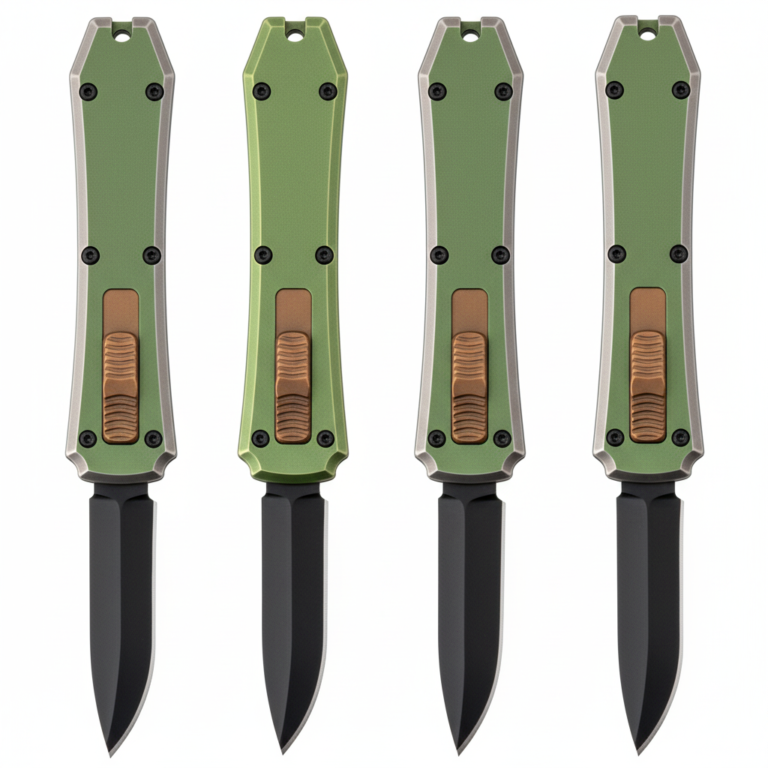
Which OTF Blade Style Is Safest for Mainstream Buyers?
For most everyday buyers, a single-edge drop point is the lowest-risk OTF blade style. Learn why it is easier to orient, retract, clean, and…
Read Guide →Practical buying and product guidance from TOP KNIVES.
For most everyday buyers, a single-edge drop point is the lowest-risk OTF blade style. Learn why it is easier to orient, retract, clean, and…
Read Guide →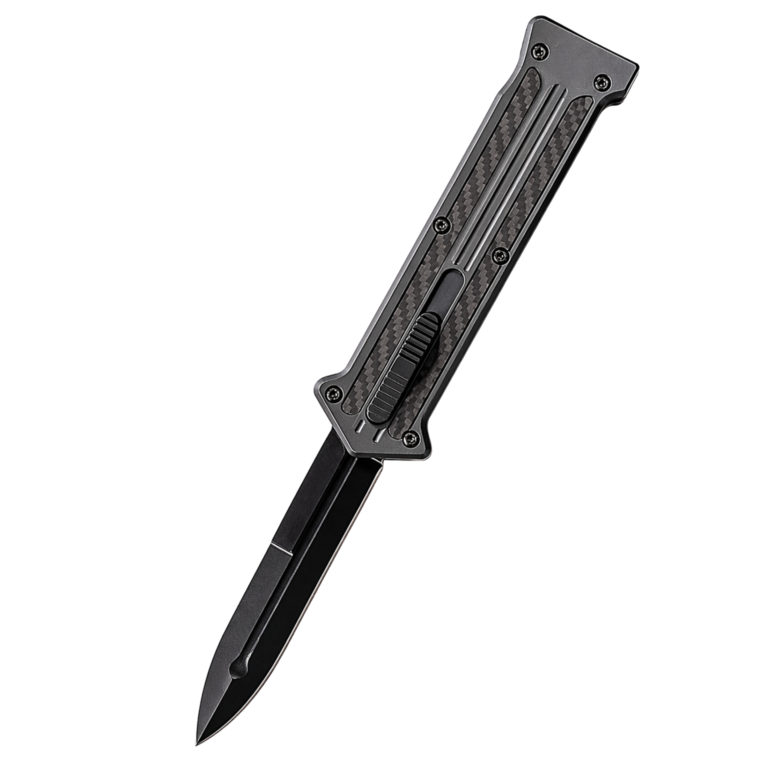
Usually yes—many OTF knives are ambidextrous because the slider is centered, but clip layout, handle shape, and slider traction can still favor one hand.…
Read Guide →Left-handed users can often operate OTF knives well, but ease depends on slider shape, pocket clip setup, grip geometry, and safe carry conditions. Learn…
Read Guide →Yes, OTF knives can be riskier for beginners than manual knives. Learn the main OTF-specific hazards, when a manual folder is the safer first…
Read Guide →An OTF knife is safer to use when it resists accidental actuation, keeps the blade secure when closed, and reacts predictably if deployment is…
Read Guide →Do OTF knives have safety locks? Yes and no. Most use internal safety systems and blade retention, but not all have a separate manual…
Read Guide →An OTF knife slider is reasonably safe for deliberate one-handed utility use if it resists casual pocket pressure, completes full travel reliably, and stays…
Read Guide →Yes, an OTF knife can accidentally open in a pocket, but it is uncommon on well-designed models carried alone with the actuator protected. Risk…
Read Guide →Are OTF knives safe in the pocket? Usually only when clipped securely, carried alone, and kept clean. Learn when pocket carry is reasonably safe,…
Read Guide →